From ear popping to ankle swelling: What flying really does to the body – and how to manage the effects
Air travel exposes passengers to several physiological stressors
 Aliver
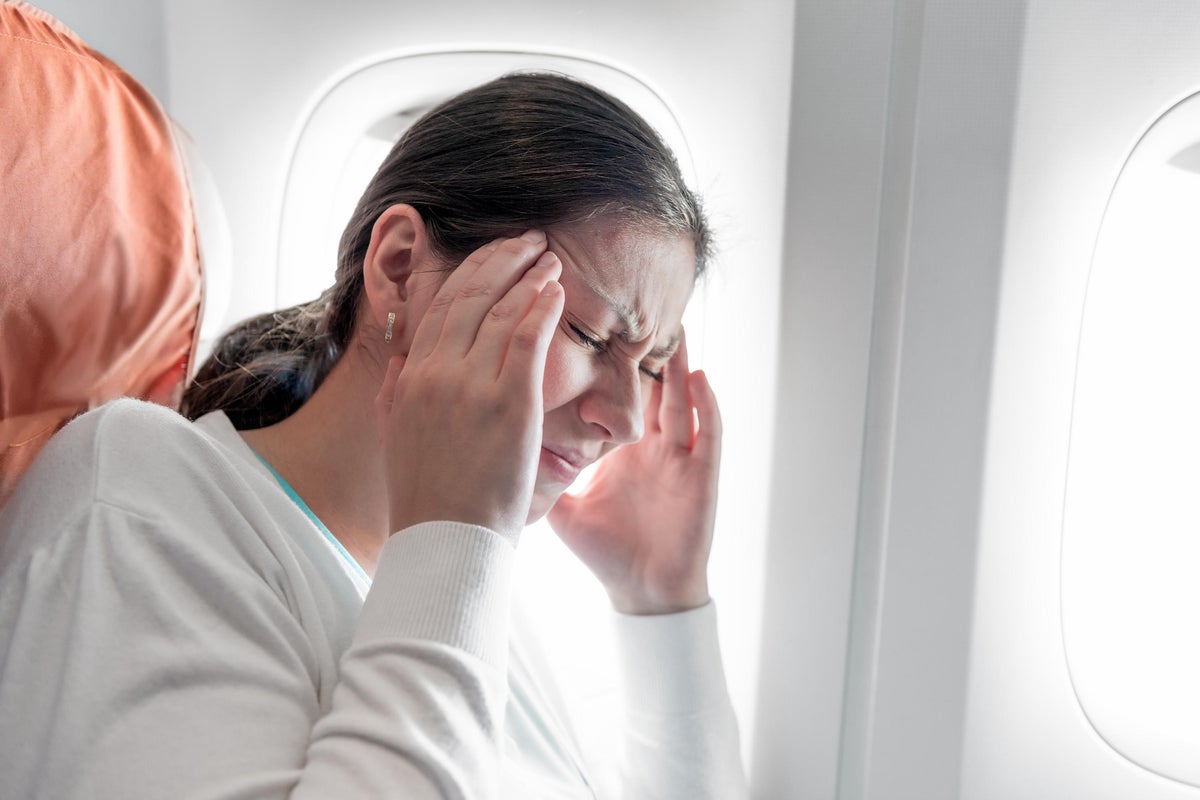
While flying remains a swift and convenient method to reach cherished holiday destinations, prolonged periods aboard an aircraft can impact the body, leading to a range of uncomfortable physical effects.
Passengers encounter several physiological stressors during air travel, notably reduced cabin air pressure, low humidity and extended periods of sitting.
Dr Asimah Hanif, an NHS GP and medical expert working with travel insurance provider Staysure, has outlined five prevalent ways flying can affect one's health, while also providing practical advice on how to prevent these issues from arising and manage any discomfort effectively while travelling.
1. Ear popping
“Ear popping is quite common and is caused by changes in the cabin pressure which affects something called the eustachian tube,” says Hanif.
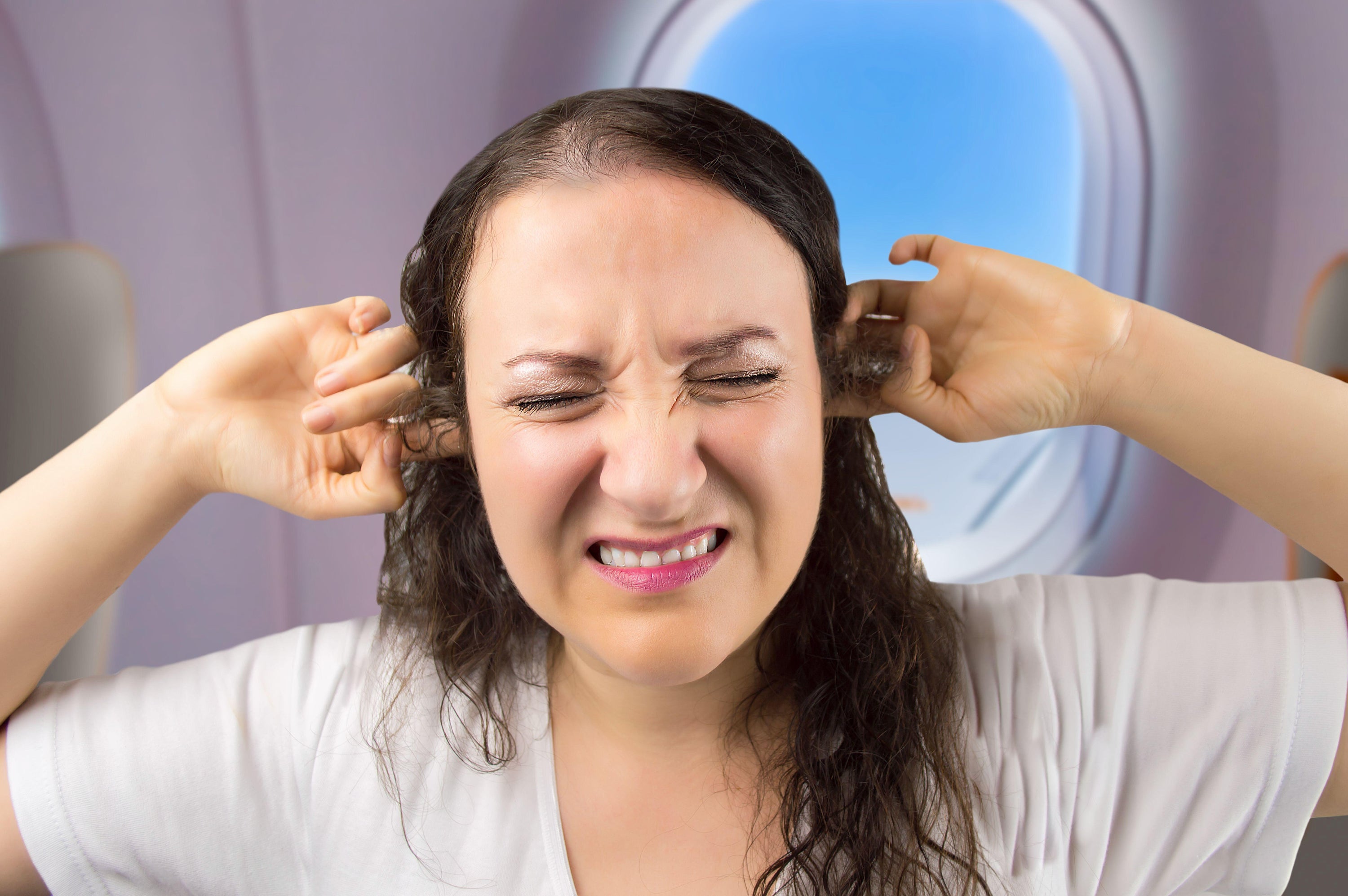
Eustachian tubes connect your middle ears to the back of your throat and help drain fluid from your middle ear and balance air pressure inside your ears, according to Cleveland Clinic’s website.
“You’ve got eustachian tubes in both ears and you tend to feel that blockage and pain in your ears during the ascent and descent of flights, but once you land it should resolve on its own,” says Hanif.
However, there are a few things you can try to prevent or alleviate painful ear popping during your next flight.
“Keeping oral mechanisms up like swallowing, yawning and even chewing gum can help as these movements help open up the eustachian tubes and equalise pressure in the ears,” says Hanif.
She also suggests trying the Valsalva maneuver during descent.
“This is where you take a breath, close your mouth, pinch your nose and then gently blow out,” explains the GP.
If it persists for longer than a day, Hanif recommends seeking medical advice.
2. Headaches
“Headaches on planes are also quite common and can be linked to a number of factors, and are quite commonly caused by dehydration,” says Hanif.
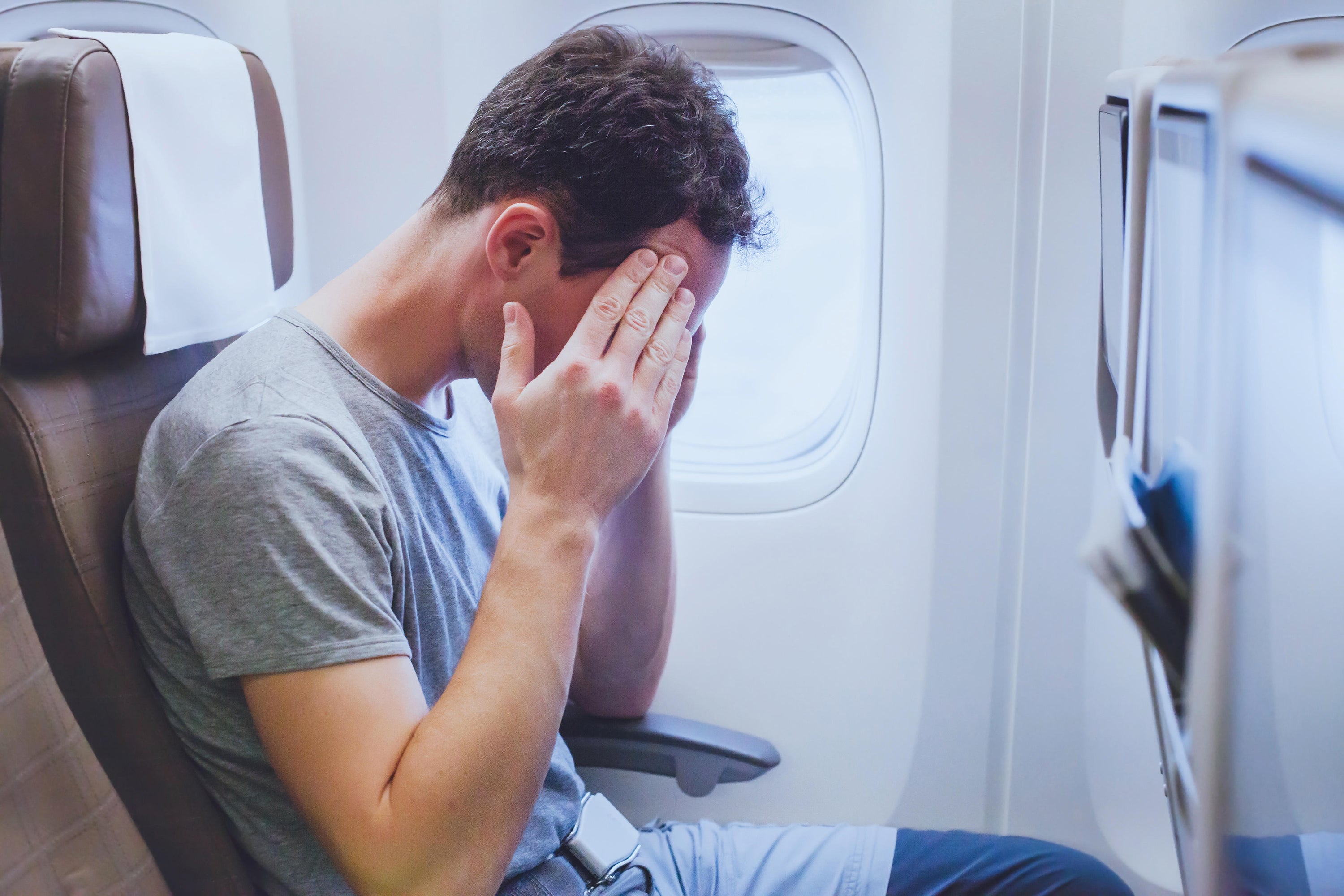
Therefore, her number-one tip to prevent headaches on planes is drinking plenty of water.
However, she notes that the reasons behind airplane headaches are usually multifactorial.
“The mildly reduced oxygen level in the cabin and the changes in the cabin pressure can also affect your sinuses,” says the GP. “So, if you’ve already got a cold or are prone to sinus conditions, it could that exacerbate those symptoms.
“In addition, disrupted sleep, disturbed routines and stress can also trigger headaches, and we know that traveling and flying aren’t always very smooth.”
Even aeroplane meals can be triggering.
“Consuming aeroplane meals can lead to fluctuating blood sugars which can cause headaches, too,” adds Hanif.
Although travel can put stress on the body, Hanif says that staying hydrated, avoiding alcohol and making sure that ideally you’re at your optimum health before getting on the plane can help prevent nasty headaches.
3. Swelling
“It’s common for ankles to swell on a plane, and that’s usually caused by sitting down for prolonged periods of time which reduces blood flow to the legs,” says Hanif.
Therefore, moving around during the flight might help.
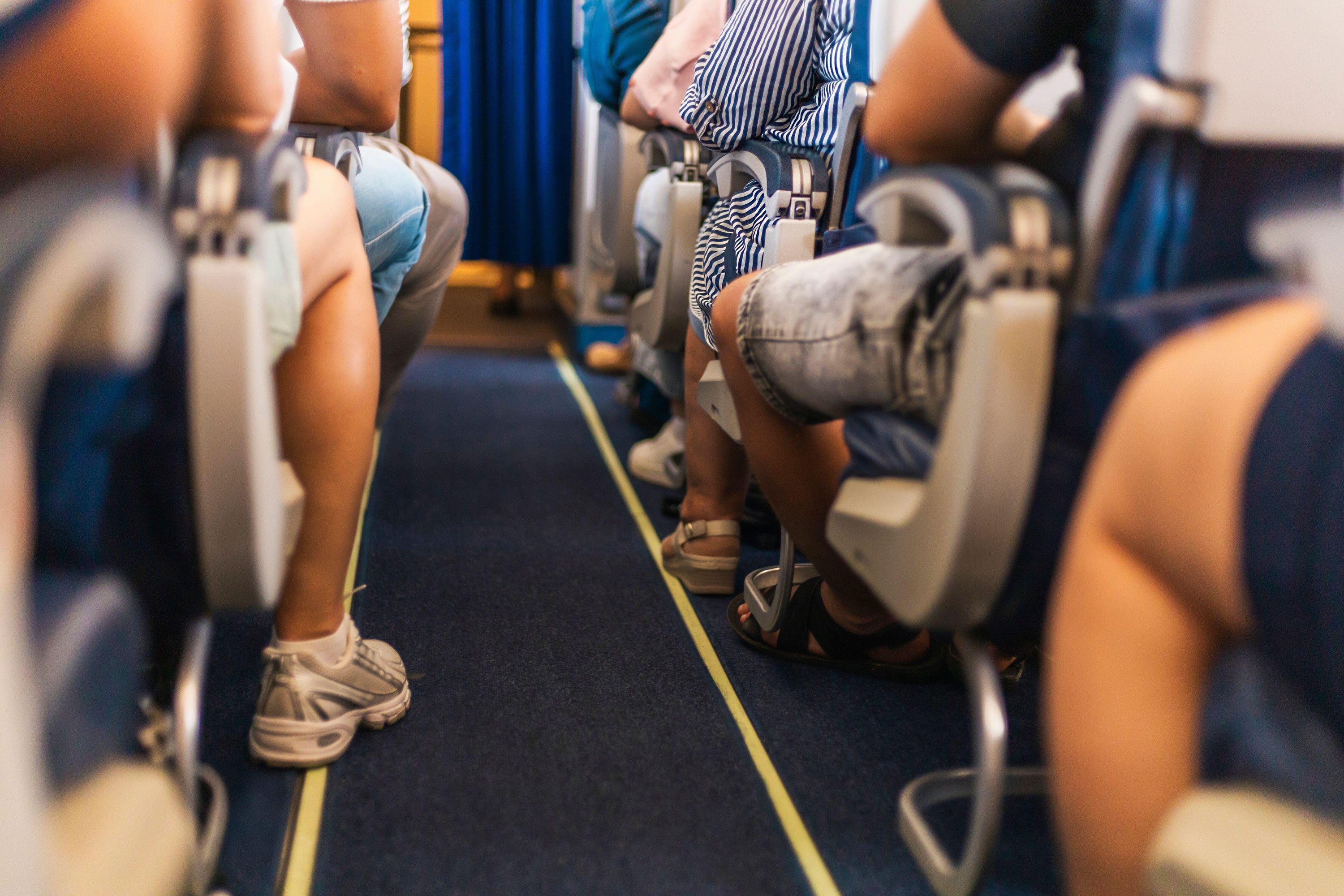
“Try to move around regularly on the plane if you can and if you are sitting down, rotate your ankles regularly,” advises Hanif.
She adds that compression socks are often recommended to people with certain medical conditions that restrict circulation or elevate clot risk, but emphasises that they are not necessary for everyone.
Furthermore, swelling accompanied by concerning symptoms should not be ignored.
“If you experience swelling which only affects one leg and that is accompanied by shortness of breath or any chest pain, you must seek urgent medical attention because that could potentially indicate that a blood clot has formed,” advises Hanif.
4. Dehydration
“Cabin air has low humidity compared with normal indoor environments which can increase fluid loss and contribute to dehydration,” explains Hanif. “That’s why people often find that they get dry eyes, dry skin and even a dry airway that can lead to a tickly cough.”
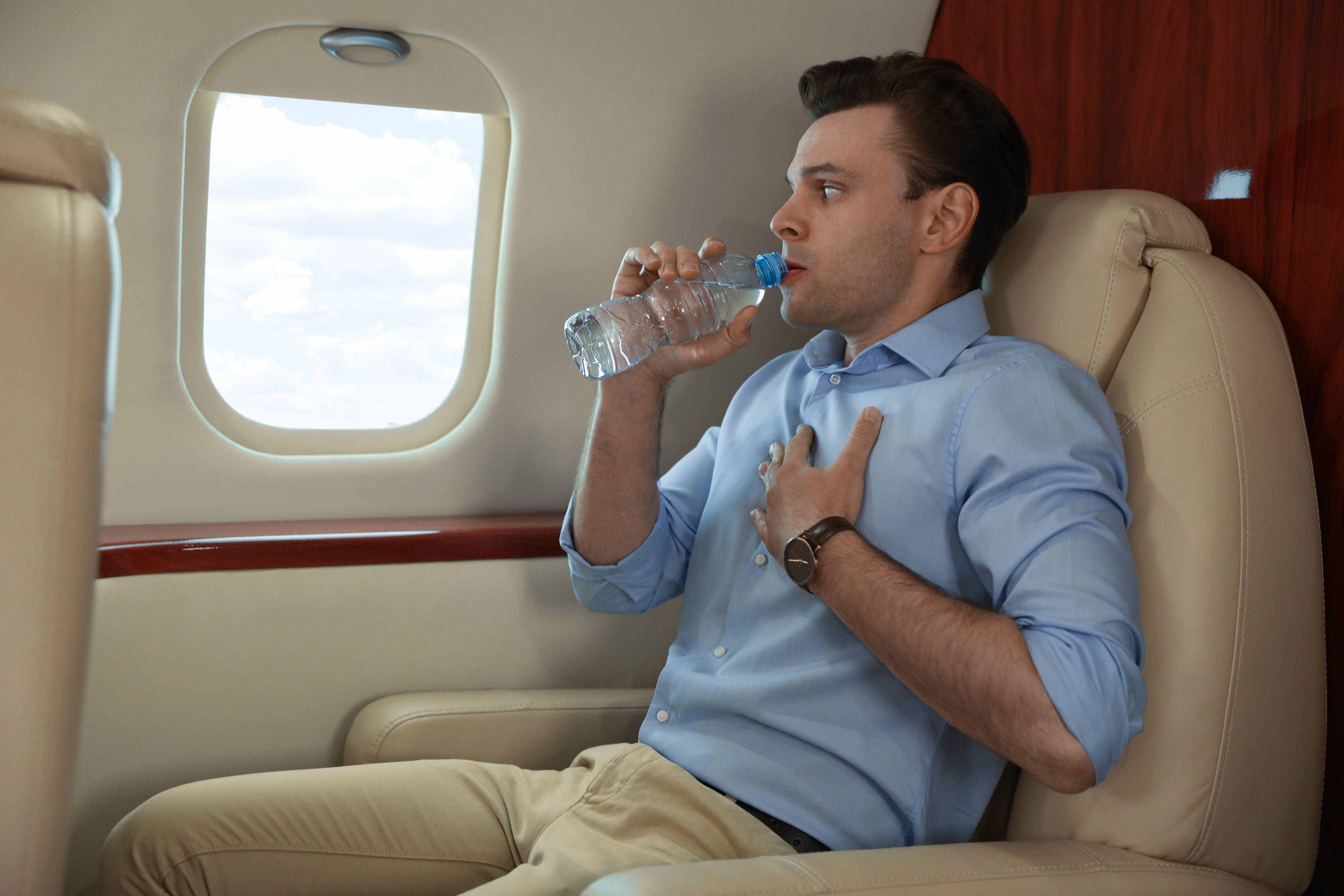
Therefore, staying hydrated is crucial.
“Drink water regularly, limit your alcohol intake and drink caffeine in moderation,” recommends Hanif.
5. Dizziness
“Feeling dizzy on a plane could be due to air pressure changes, mild dehydration or even psychological factors like an anxiety of flying,” says Hanif.
“Standing up too quickly after sitting down for too long can also trigger dizziness.”

She reiterates that staying well-hydrated and avoiding excessive alcohol can help prevent this.
“You could also change your position slowly and move around periodically throughout the flight,” suggests Hanif.
“Furthermore, if the dizziness is severe, persistent or is accompanied by chest pain, shortness of breath, weakness, difficulty speaking or drowsiness, that needs an urgent medical review on the day.”












.png?trim=0,0,0,0&width=1200&height=800&crop=1200:800)









.jpg&h=630&w=1200&q=100&v=c0f97a310e&c=1)