From floating resorts to luxury vessels, the different types of cruise ship explained
Cruise editor Marc Shoffman explains how to choose the best vessel for your voyage
 ValVades
.jpg?trim=0,640,0,0&width=1200&height=800&crop=1200:800)
Cruise ships can often be lumped together – but there are a wide range of types, all offering a different kind of holiday.
Guests can opt for a megaship on the ocean, with round-the-clock attractions such as rock climbing walls and waterslides. Or there are smaller ships that have just a few lounges, bars and a pool deck.
More than two million Brits and 37 million passengers worldwide take a cruise globally each year.
Emma Le Teace, co-founder of ship tracking app The Cruise Globe, said: ”At first glance, the biggest difference between expedition, luxury and mainstream cruise lines may appear to be the price. In reality, this is just the start. Each cruise type has a different purpose and is geared towards a different audience.”
Here are the different types of cruise ship that you can sail on and how to choose the best one.
Contemporary cruise lines
.jpg)
Most guests will cruise with a contemporary or mainstream cruise line.
These include well-known brands such as Royal Caribbean, Princess Cruises, P&O Cruises and MSC Cruises.
Ships visit destinations across the world including northern Europe, the Mediterranean, the Caribbean, Alaska and the Norwegian fjords. Some such as Royal Caribbean, Norwegian Cruise Line and Disney Cruise Line even have their own private islands.
The ships in this category are often as exciting as the destinations.
Most mainstream cruise ships range from midsize – carrying 1,000 to 2,500 passengers – to larger vessels with capacity for up to 4,000, while megaships will typically hold 5,000 or more.
Cruise ship facilities will vary depending on the brand and ship but passengers typically get a range of restaurants, lounges and bars in addition to daily entertainment around the vessel and an evening show in the onboard theatre.
Some such as Royal Caribbean and MSC Cruises focus on family-friendly amenities such as waterslides, dry slides, bumper cars and rock climbing walls.
Others, including Princess Cruises and Celebrity Cruises, have more of a focus on dining areas and spacious pool decks.
In some cases the onboard facilities may depend on the ship within a fleet. For example, Norwegian Cruise Line’s newer ships such as Aqua and Luna have waterslides and drop slides but its older range including Norwegian Sky are better-known for their lively lounges.
Most cruise lines cater for families while offering adult-only areas. Some, such as Virgin Voyages and Oceania, are exclusively child-free.
P&O Cruises and Marella have some ships that are reserved for adults and others for families.
Le Teace added: “It is common for a mainstream cruise to visit a port most days and spend a couple of days at sea, with seven days being the average cruise length. Many cruisers would say that the onboard experience is just as important, if not more important than the destinations visited.”
Prices can range from £250 per person to around £2,000 per person depending on the itinerary and time of year.
Read more: The best cruise deals for 2026
Luxury cruises
Read more: The best cruise suites at sea
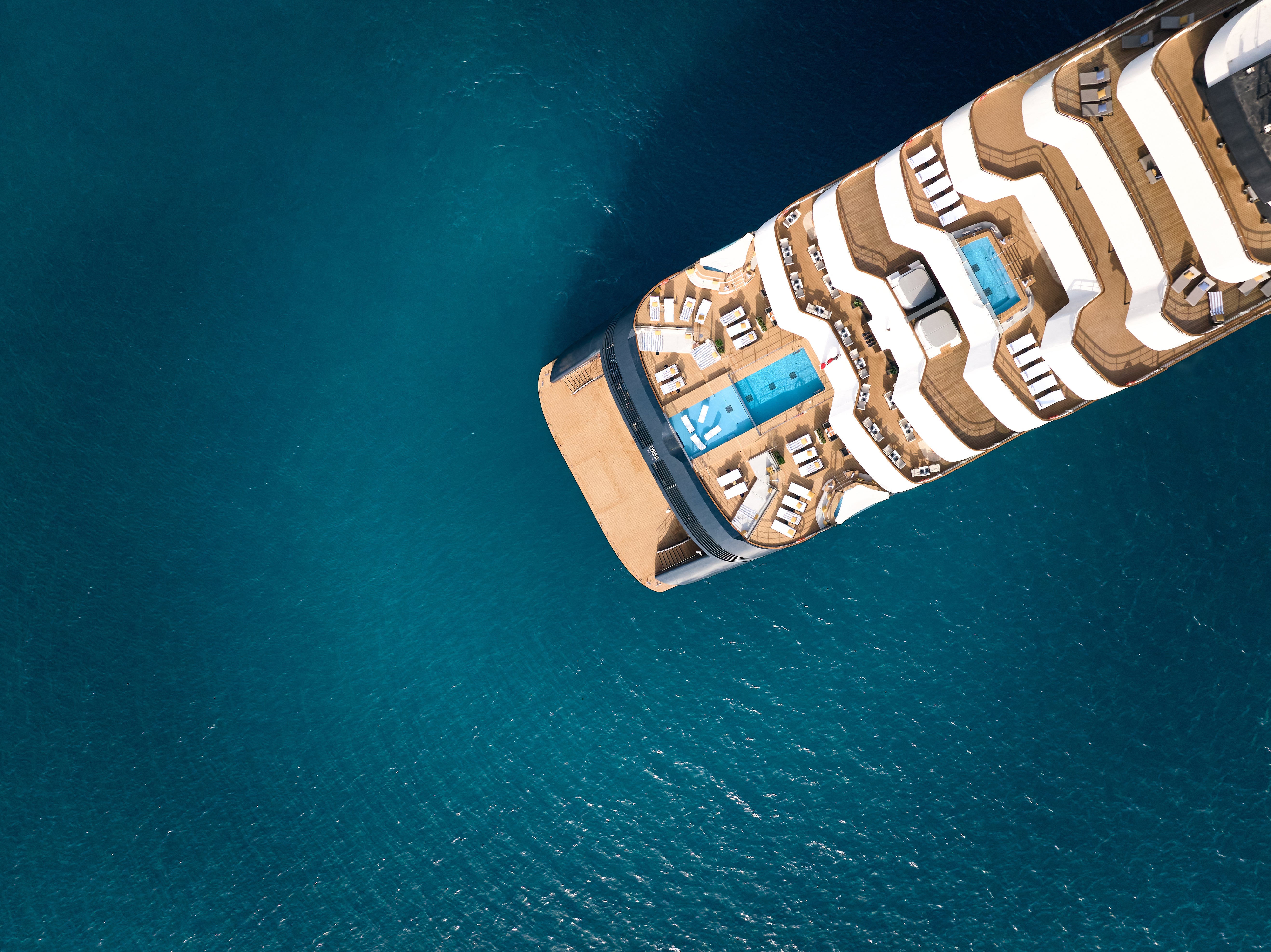
For guests wanting a mix of relaxation, onboard entertainment and more time on land, luxury cruise lines often fill this gap.
The ships are smaller than most mainstream ships, with capacity ranging from 200 to 1,000 guests.
That means shorter queues at the bar, more space in the hot tub and a higher crew-to-guest ratio, which can mean a more personalised service.
You won’t get round-the-clock entertainment but because of their smaller size, luxury cruise lines as Explora Journeys, Seabourn, Silversea and Windstar are often able to visit ports that bigger ships can't and they spend longer in port.
While a megaship is almost like a floating city, cruise content creator Jenni Fielding, known as CruiseMummy, says a small luxury ship or yacht is the opposite experience.
She said: “They tend to feel calmer and more intimate, with personalised service and high-end dining as well as access to smaller ports.”
Prices range from £800 per person and can reach double figures for ultra luxury yachts such as Ritz-Carlton Yacht Collection.
Expedition cruises
Read more: The best bucket list cruises
Cruising doesn’t just have to be about entertainment or high-end ship facilities.
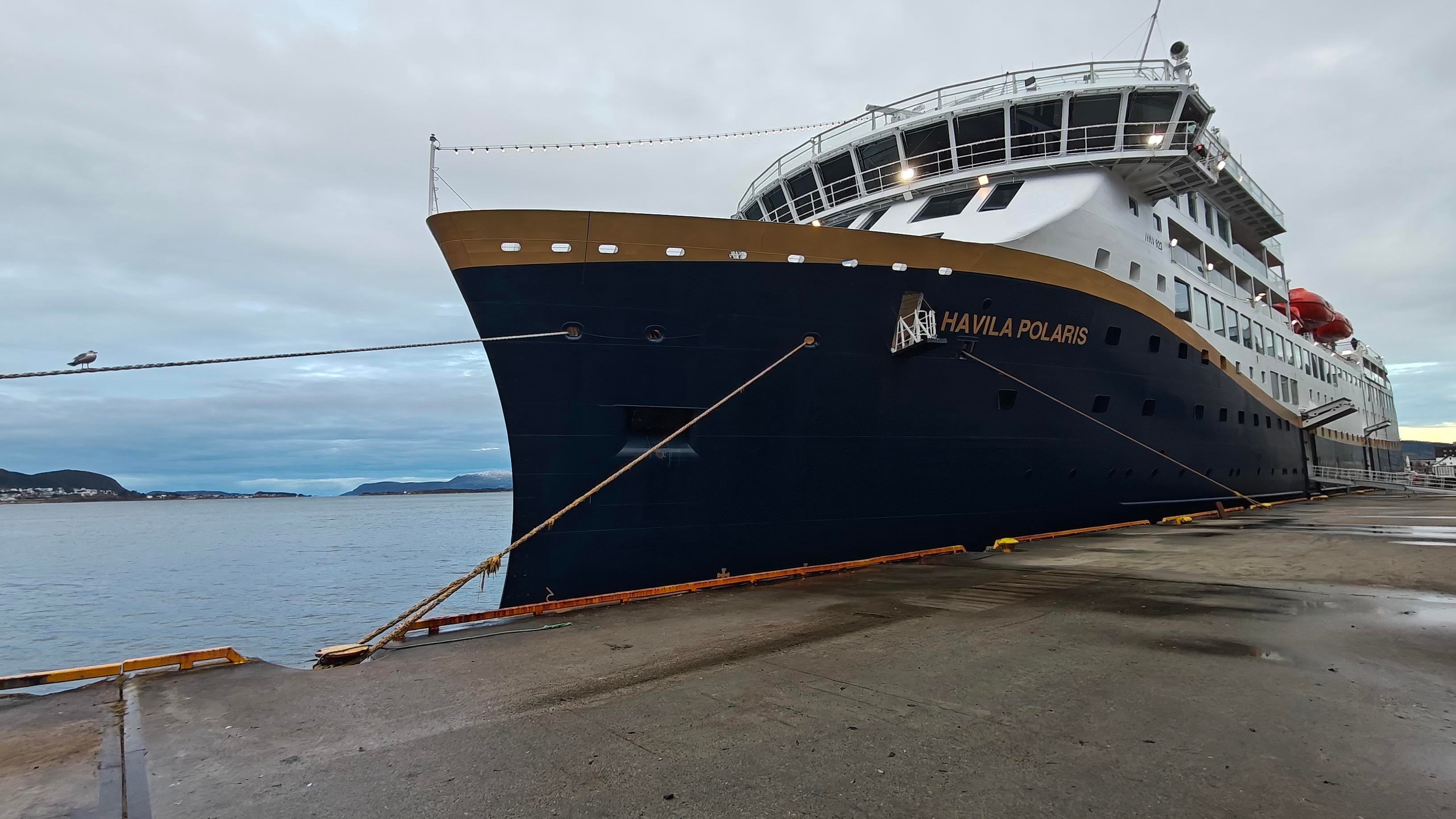
Expedition cruises focus almost entirely on the destination.
Brands such as Lindblad Expeditions, Hurtigruten and Havila Voyages visit bucket list places such as Antarctica and the Galapagos Islands on small ships with just a few hundred people on board. Itineraries focus on adventure or discovering local landscapes and wildlife.
Guests will often take part in excursions by helicopter or Zodiac boat. Activities on board such as lectures and activities are themed around the destinations.
Le Teace said: “Given the increased travel costs and the price of expedition cruises, the average age on expedition cruises is considerably higher than on mainstream cruise lines.”
Expedition cruise fares can range from £2,000 to £6,000 per person.
River cruises
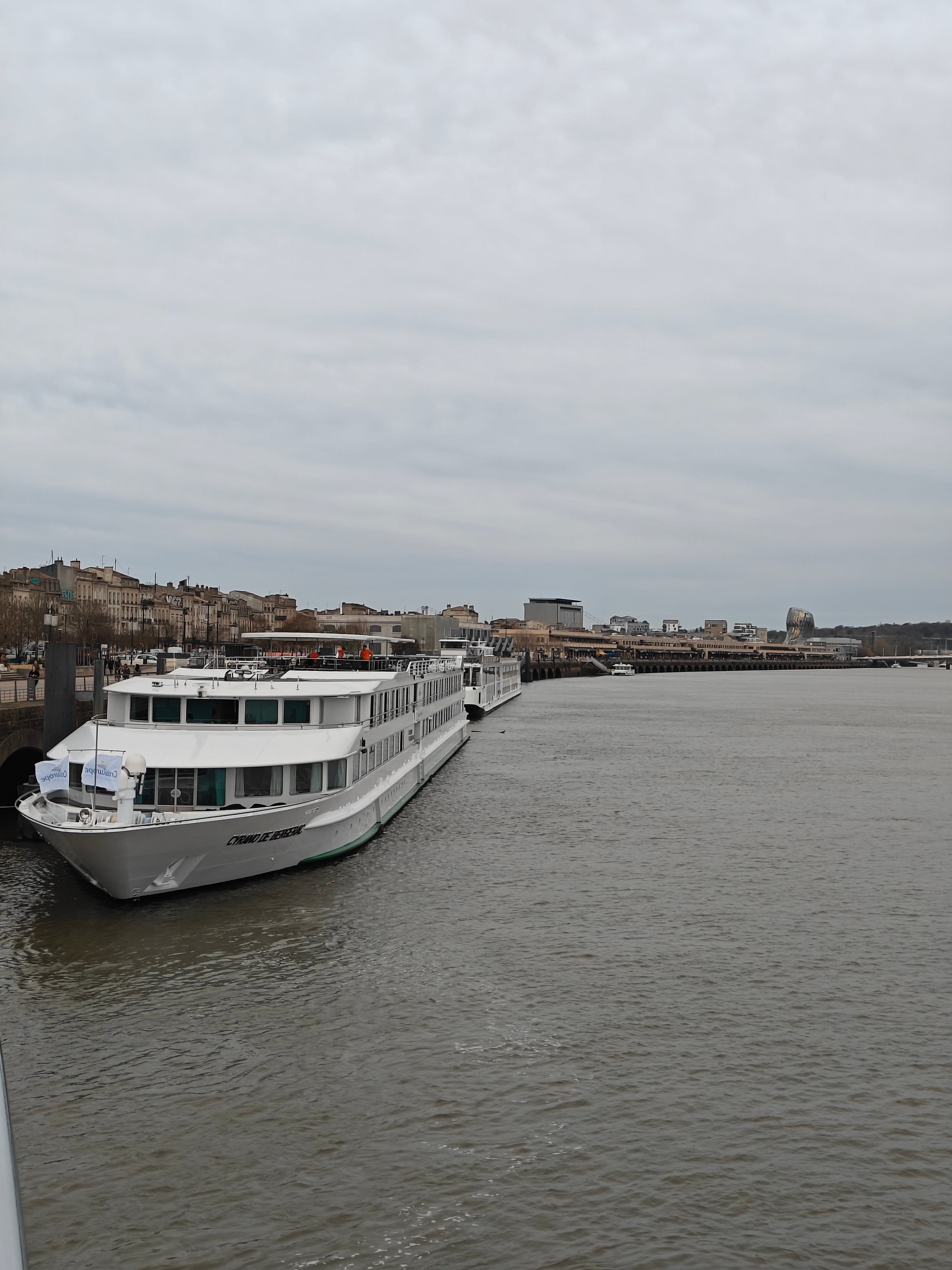
The ocean isn’t the only option, however.
A river cruise can be a great way to explore cities along waterways such as the Danube, the Rhine, the Seine and even the Amazon or the Nile.
Major river cruise lines include Viking, AmaWaterways and Avalon Waterways, while Celebrity Cruises is entering the market next year.
Ships usually dock in the centre of a city and stay late, providing easy access and plenty of time to explore.
Similar to a luxury ship, the focus is on the destination so passengers receive high-quality food on board – but not necessarily as much entertainment as mainstream ships offer.
Prices can start from £700 per person for shorter river cruises to £2,000 or more.
Read more: The best river cruises around the world
How to choose the best cruise for you
There is lots of choice for passengers across mainstream, luxury, expedition and river cruise ships.
Ms Fielding added: “If you want waterslides, West End-style shows, kids’ clubs and endless dining options, a megaship can be brilliant. If you want peace, haute cuisine and a more exclusive feel, luxury small-ship cruising may suit you better. And if you want adventure and nature, expedition cruising is a completely different style of holiday again.”
“My advice to first-time cruisers is not to ask, ‘Will I like cruising?’ but instead, ‘Which type of cruise would suit me best?’
“A weekend party cruise, a luxury yacht, a family megaship and a river cruise are all completely different holidays that just happen to take place on water.”
Read more: How to save hundreds of pounds on a cruise