How HubSpot became the #1 CRM in AI search [A case study]
Today, more and more buyers are beginning their journey with an AI-search. They may ask ChatGPT to compare products or use an AI-powered platform like Perplexity. Or, they're just Googling an offering and reading the AI Overview, all without...
 Fransebas
![How HubSpot became the #1 CRM in AI search [A case study]](https://53.fs1.hubspotusercontent-na1.net/hubfs/53/How-HubSpot-became-the-%231-CRM-in-AI-search.png)
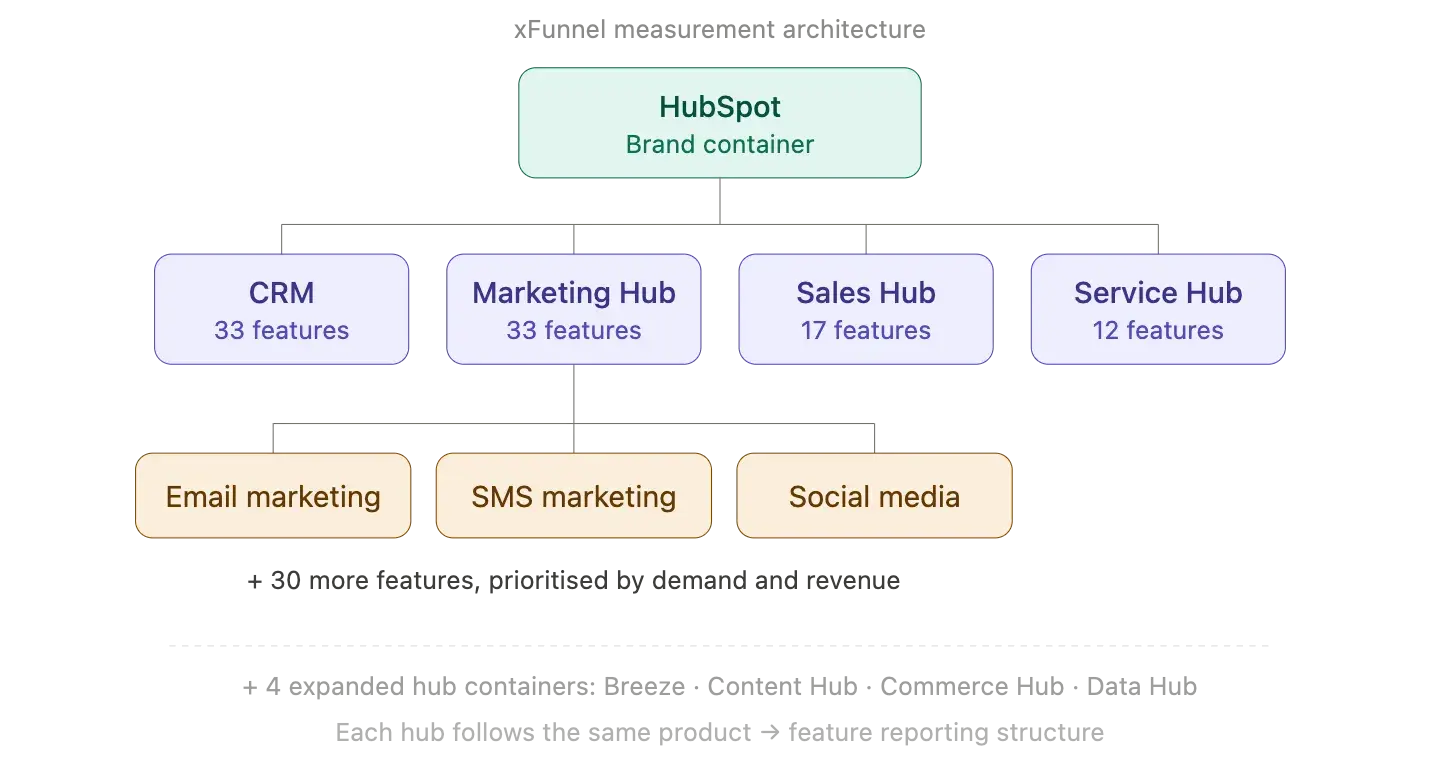
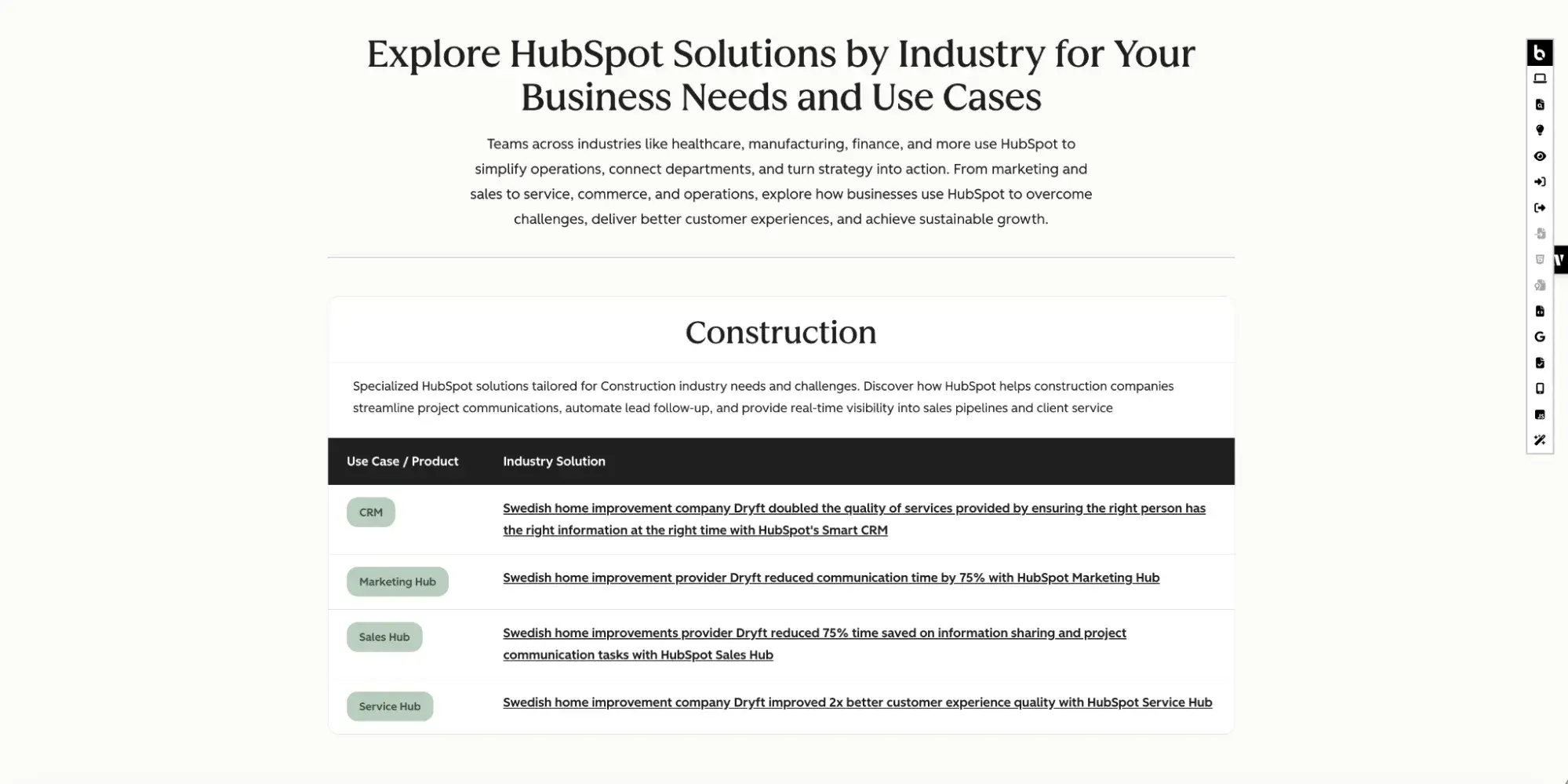
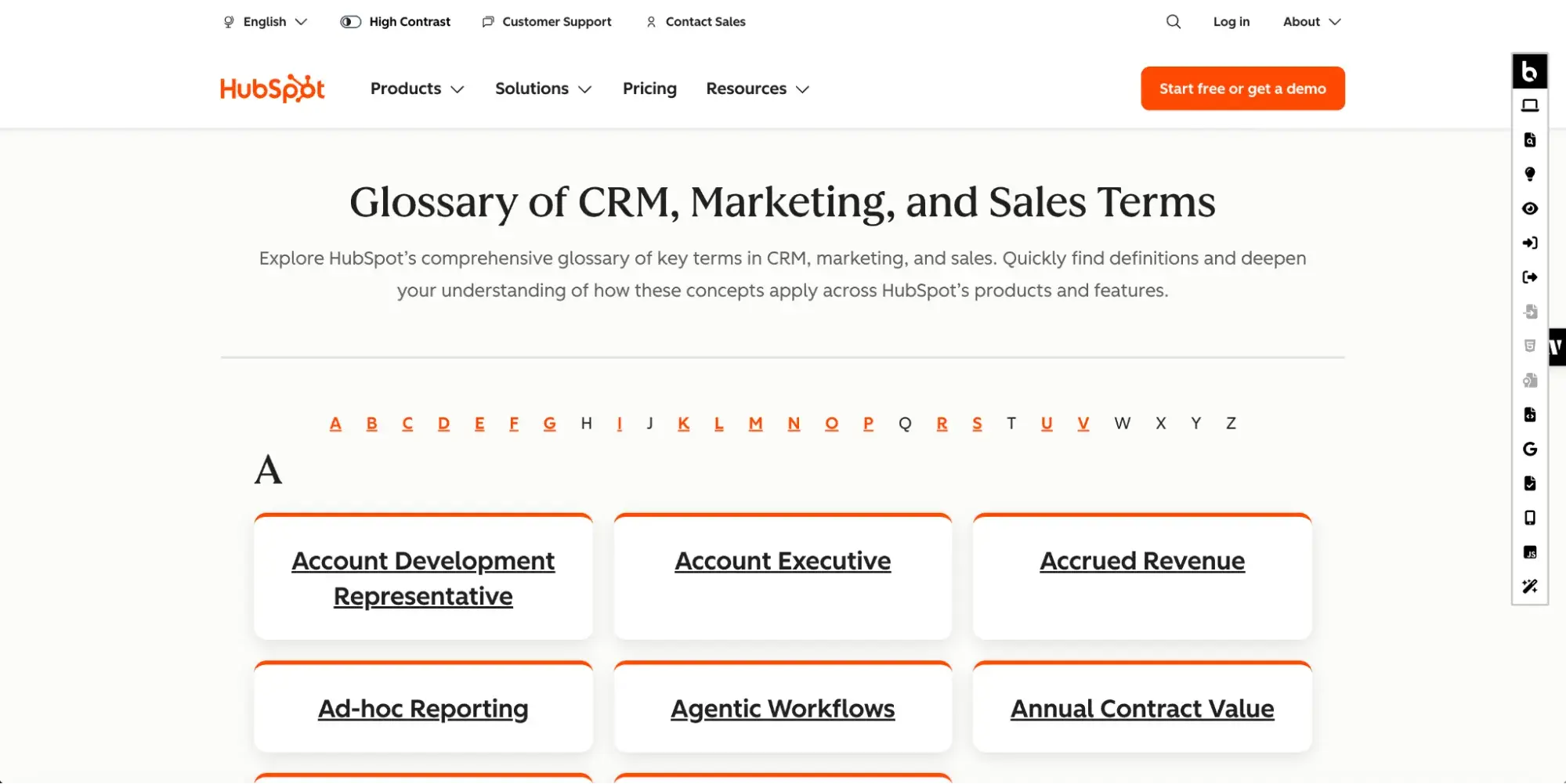
Today, more and more buyers are beginning their journey with an AI-search. They may ask ChatGPT to compare products or use an AI-powered platform like Perplexity. Or, they're just Googling an offering and reading the AI Overview, all without clicking a link. HubSpot realized that our buyers were moving from search engines to answer engines like ChatGPT, Gemini, and Perplexity — but we had no reliable way to measure AI visibility and understand whether our AEO plays were working. So, in June 2025, the HubSpot Marketing team started working with XFunnel, an AEO tool that allowed us to measure and optimize our AI visibility across ChatGPT, Gemini, Perplexity, and more. Here's what we learned. Table of Contents The first question we needed to answer was: When a potential customer asks an answer engine about a problem our products solve, is HubSpot in the answer? To find out, we defined the buyer’s journey across answer engines: We set up XFunnel containers for each product line. The AEO measurement architecture included: This structure meant sub-teams could run experiments, track improvements, and optimize for their specific product’s AEO performance, while giving us a bird’s eye view across our entire AEO strategy. Once we had defined the prompts, we could see and start to improve our four core AEO KPIs: After analyzing the data, we determined that a successful AEO strategy relies on: We used this foundation to build a three-pillar strategy: Our AI visibility scores were strong from the jump, but Xfunnel showed our citation scores were weak. Answer engines weren’t often referencing the pages on HubSpot’s website. Brand awareness is the priority, but being cited increases the likelihood of influencing the answer (and driving direct traffic from AI). After our Growth team analyzed the Xfunnel data, we realized we needed more ultra-specific content to match the hyper-personalized answers that AI generates for users. When answer engines got buying questions or industry fit assessments, they struggled to surface HubSpot content worthy of citation. We needed to create content tailored to our key buyer personas. “Will HubSpot work for my business?” Personalization comes down to being able to answer this question. Many prospects want to understand if a solution is right for their industry. We created industry solutions pages at scale using an AI content system. We used AI to generate the content from HubSpot’s library of case studies and reviewed it with humans before it went live. Because we know AI likes structured data, we used Breadcrumb and FAQ schema on these industry solutions pages. 92% ended up being cited by answer engines, generating a 49% lift in AI visibility. We also published software comparison articles for target industries (e.g., “5 best CRMs for construction businesses“). We saw a 642% increase in citations for those posts and 58% increase in overall mentions. Our team also discovered HubSpot wasn’t appearing enough in the “Problem Exploration” stage of the buyer’s journey. We launched an FAQ glossary covering top-of-funnel terms like “what is marketing automation?” and “how does lead scoring work?” Each page features a concise definition, common related questions, and links to HubSpot features. Answer engines frequently pull from definition content, and owning these terms means being part of the first answer a prospect gets. As a result, citation share for related prompts increased by +60%. Brand visibility for awareness-stage prompts increased +35 percentage points when the glossary was cited. We updated product feature pages to better match how answer engines actually understand and retrieve content: adding FAQs, rewriting headlines to address common buyer questions, and improving formatting with tables and lists. We also added structured data to help answer engines read and categorize the pages more easily. The result: a 56% increase in citations from AI answer engines, and an improvement in average ranking position from 1.5 to 1. Our AEO benchmarks revealed third-party content shaped AI answers about HubSpot’s products. We needed to build HubSpot’s presence across the third-party ecosystem. Using XFunnel data, our partnership team identified publishers already winning citations but not yet mentioning HubSpot. We gave partners AEO recommendations and templates so they could create answer-engine-friendly content and win even more citations. We scaled the program rapidly. By the end of 2025, we’d partnered with hundreds of websites across the world, producing nearly a thousand new pages and earning hundreds of thousands of new AI citations — all with HubSpot mentioned. XFunnel benchmarks showed Reddit was one of the most cited sources for our tracked prompts. Using XFunnel, we built always-on Reddit citation monitoring into our reporting, identifying high-impact subreddits and HubSpot mention gaps on a weekly basis. We then asked HubSpot community advocates to post content addressing some of the top buyer questions. After XFunnel benchmarks revealed DE and FR markets had significant Reddit citation growth but zero HubSpot mentions, we launched localized campaigns. Within one month, HubSpot’s mention rate went from 0% to 33.5% in FR and 17.1% in DE. Reddit-driven citations grew from 178 (May 2025) to 146K (December 2025). Everything in this case study started with a single question: When buyers asked AI, was HubSpot an answer? Before we could optimize anything, we had to understand which prompts mattered, where we appeared, who was being cited, and where the gaps were. The measurement came first. The strategy followed. That capability is now available in HubSpot. With our AEO tools, you can get real-time visibility into how your brand appears across answer engines like ChatGPT, Gemini, and Perplexity. All of those insights power prioritized recommendations — built on the successful AEO tactics our team has piloted — so you know what to improve and can start acting on it right away. And if you’re using AEO within Marketing Hub Pro or Enterprise, you get CRM-powered prompt suggestions so your tracking is informed by your business context from day one, not built from scratch.The Results of HubSpot's AEO Strategy
Building Our AEO Measurement System
Defining the Buyer’s Journey Across Answer Engines for Prompt Tracking
Product-Led AEO
AEO KPIs We Measure
How We Built Our Three-Pillar AEO Strategy
Pillar 1: On-site content optimization
Industry-Specific Content
FAQ Glossary for CRM, Marketing & Sales Terms
Optimizing Product Pages for AEO
Pillar 2: Off-site amplification
Pillar 3: Forum growth