Samsung’s secret AI chip could finally cool down Exynos phones
A laptop-bound AI chip from Samsung's Exynos design team hints at a real fix for the thermal and battery problems.
 KickT
KickT

Samsung's GAIA AI chip is landing in laptops first, but its shared DNA with Exynos hints at a real fix for phones down the line.
 Samsung
If you’ve ever owned an Exynos-powered Galaxy phone, you already know the drill: heavy tasks like capturing back-to-back pictures or photos for a while, heavy gaming, or rendering videos turn your device into a hand warmer.
In such a situation, the battery bar drops faster than usual as well. Turns out, Samsung might be working on the fix, and it’s coming in a way nobody expected.
 Igor Omilaev / Unsplash
So what exactly is GAIA?
Samsung has been shipping early samples of a custom AI chip codenamed GAIA to laptop makers like HP and Lenovo. It’s built on a 4nm process for handling on-device AI without cloud dependency (via Android Headlines).
Here’s the part that actually matters for your phone. Renowned tipster Ice Universe points out that GAIA comes out of the same System LSI division that’s responsible for Exynos mobile chips on Galaxy phones. That’s not a coincidence I’d ignore.
The chip uses a memory-centric design, placing compute power right next to custom DRAM. So, it can crunch chatbot requests and photo edits locally instead of outsourcing them to a cloud-based AI service provider.
To me, GAIA’s memory-centric architecture sounds philosophically similar to Apple’s unified memory: it reduces the distance between compute and memory to improve efficiency. However, unlike unified memory, GAIA appears to be an AI-specific optimization, at least for now.
 Tom Bedford / Digital Trends
Could this actually make it into your next Galaxy phone?
Nothing’s confirmed yet. Furthermore, GAIA is still aimed at 2027 laptops for now. However, the architecture gives Samsung an obvious blueprint to scale down into future Exynos silicon. This could, in a very real way, tackle the thermal and AI-performance gap that has existed between Snapdragon- and Exynos-powered Galaxy S devices, something that I noticed on the Indian Galaxy S26 I reviewed earlier this year.
Worth noting, this wouldn’t fix everything. Samsung’s modem issues are a separate headache entirely; GAIA won’t touch those. Still, if this hardware layout eventually lands in an Exynos chip, it’d be the most credible fix Samsung has offered yet.
Samsung’s willingness to test cutting-edge silicon in laptops before phones isn’t entirely new. If the company validates GAIA’s memory-centric design at scale in PCs first, it de-risks bringing that architecture into a phone chip people actually depend on daily.

For more than five years, Shikhar has consistently simplified developments in the field of consumer tech and presented them…
Buying a monitor? This Mac app can expose problems before the return window closes
Your new monitor may look perfect, but it doesn't hurt to double check.
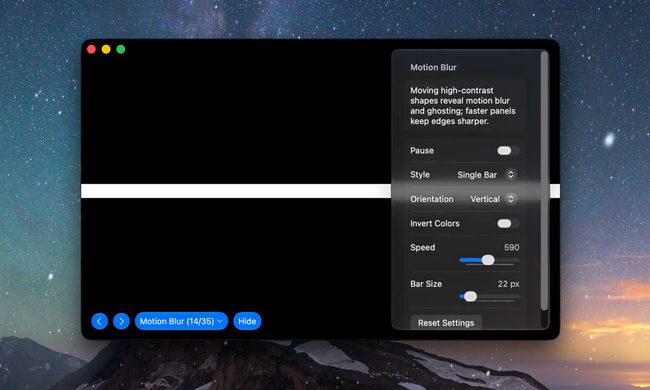
Making a brand-new tech purchase doesn't always carry the guarantee of a perfectly functioning unit. But a tiny Mac app called Screen Test can help you find a defect before it gets too late. Screen Test (version 1.1) is a native macOS utility containing more than 25 patterns and diagnostic tools for evaluating built-in and external displays. It can help reveal dead or stuck pixels, backlight bleeding, and other issues. The app works completely offline, so you don't have to rely on browser tabs or an internet connection.
Every pixel gets scrutinized
The old internet built a museum for dying tech sounds, and it’s somehow still alive
The wonderfully dated site has outlasted many of the noisy gadgets it was created to preserve

Before our gadgets became silent glass rectangles, they complained constantly. Dial-up modems screeched through every connection, while dot-matrix printers sounded like they were slowly chewing through the desk.
The Museum of Endangered Sounds keeps that irritating soundtrack alive. It first appeared in 2012, but the site is still online 14 years later, inviting visitors to hear technology that has mostly disappeared from everyday life.
This Mac app can turn every window into a CRT fever dream or a nostalgic Game Boy
Apple doesn't let offer wacky customization on Macs, but Glaze has got you covered.
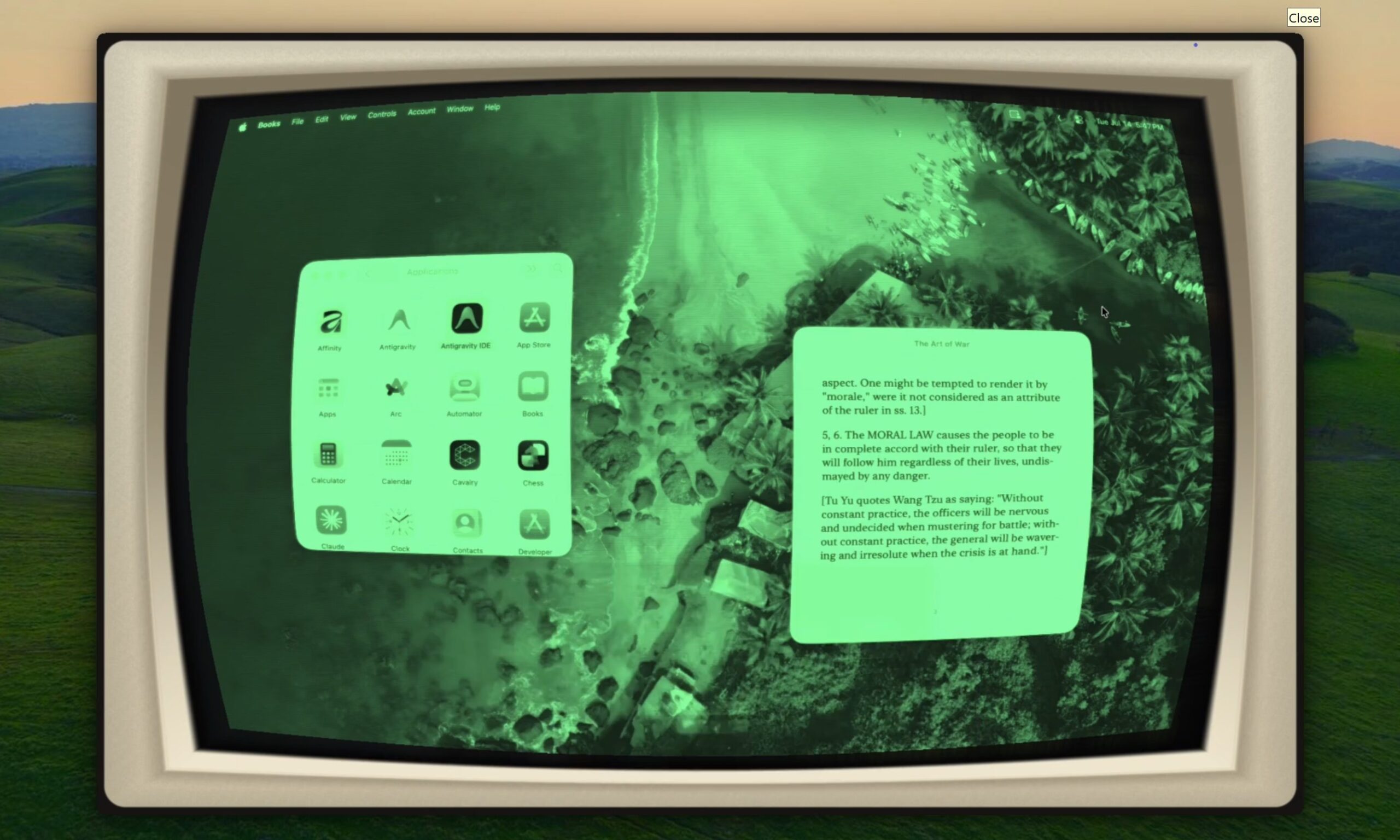
If you're tired of only being able to customize your wallpaper, accent colors, and other basic aspects of your MacBook, an indie called Glaze could be something you might want to try out. The latest release, Glaze 1.9, can transform your Mac's entire live display using more than 50 GPU-powered visual effects. Those include convincing recreations of CRT monitors, Game Boy screens, worn VHS tapes, comic books, oil paintings, old film, vintage paper, and even Sony's Trinitron displays.
Your Mac can finally cosplay as a CRT
























.jpg&h=630&w=1200&q=100&v=c0f97a310e&c=1)