The FCC wants to ban some drones it already approved. Yeah, this is getting complicated.
The FCC is considering restrictions that could prevent some previously approved DJI drones from being sold in the US. Existing owners would not be affected.
 BigThink

FCC considers expanding drone restrictions to previously approved DJI models
 Dan Baker/Digital Trends / Dan Baker/Digital Trends
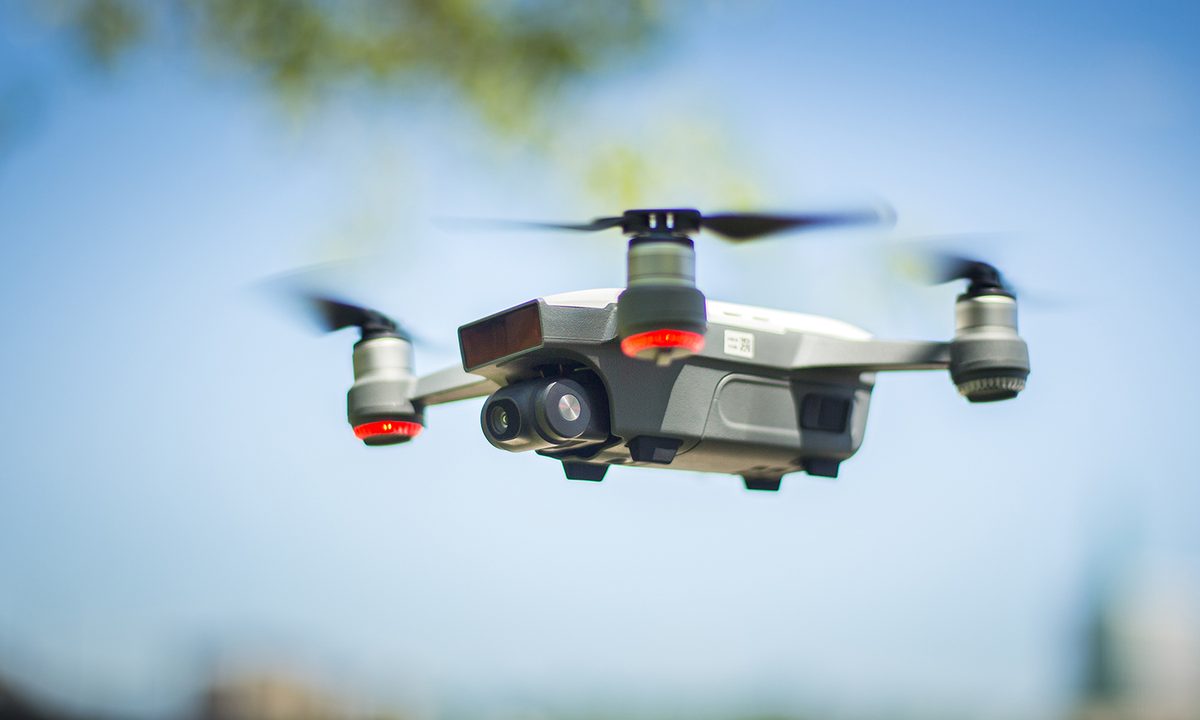
The US Federal Communications Commission is considering a move that could make things pretty awkward for drone buyers. The agency wants to expand its existing restrictions to cover certain drones with features such as LiDAR sensing, thermal imaging, and aerosol-dispersing systems. The weird part? Some of these drones were already approved for sale in the US.
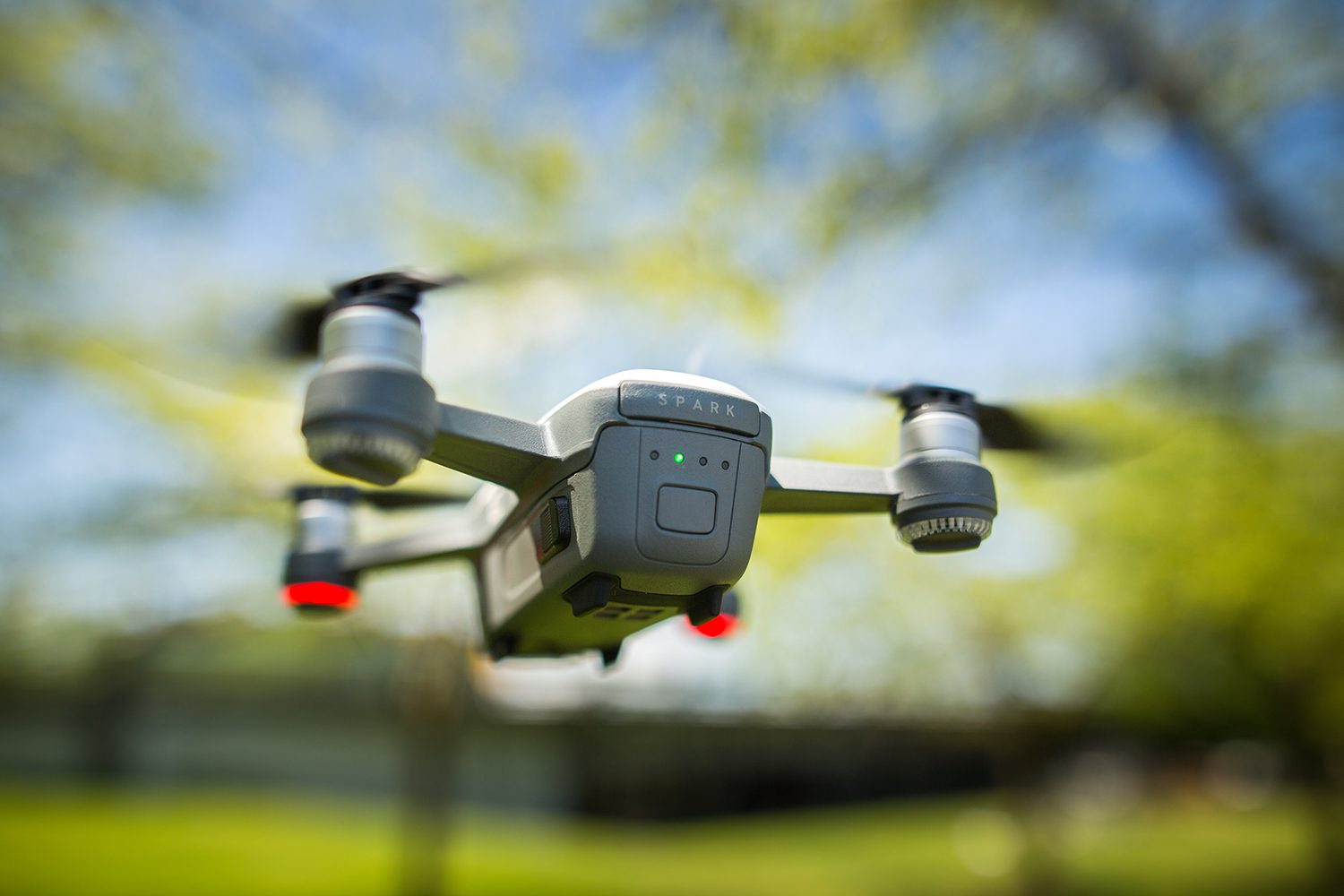
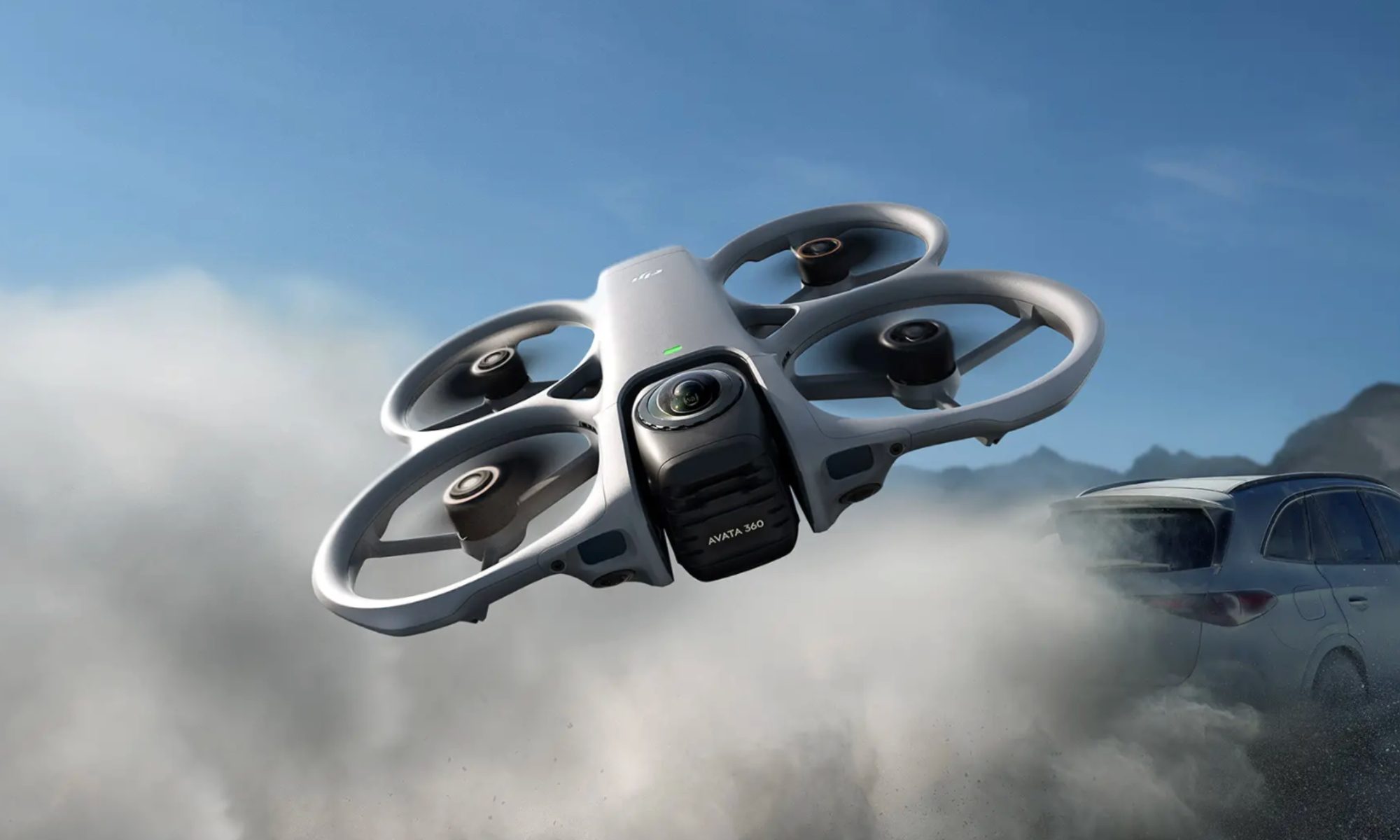
In a report by DJI’s own blog, this new development puts several DJI models in the spotlight, including the Air 3S, Avata 360, and Mini 5 Pro. Under the proposal, these drones could potentially be pulled from the US market, even though the FCC had previously cleared them. And no, if you already own one, the government isn’t coming to take it away.
So what exactly is the FCC doing?
The FCC says it is looking at expanding its drone restrictions to products that it believes could have military capabilities or create particular national security risks. The agency is currently asking for public comments on the proposal.
This is basically the next step in a campaign that started in December 2025, when the FCC added foreign-made drones and their critical components to its Covered List. That initially affected upcoming products, while older drones that had already received FCC approval could continue to be sold.
 Dan Baker/Digital Trends / Dan Baker/Digital Trends
Then things got broader. Last month, the FCC expanded the restrictions to cover products sold by companies suspected of rebranding DJI hardware. Now it’s considering going after specific drone capabilities as well. That’s a pretty significant change because it means the question isn’t simply “Who made this drone?” It could also become “What can this drone actually do?”
If you already own one, don’t panic just yet.
Here’s the good news: existing owners aren’t being targeted by this proposal. The FCC says a ban would not affect drones people have already purchased. The less-good news is what happens afterward. If manufacturers can’t sell additional units in the US, replacement parts could eventually become harder to get. Software features and updates could also become an issue if the restrictions make continued support more difficult.
 DJI
DJI
And this isn’t necessarily just a consumer problem. DJI’s commercial drones are used for things such as agricultural spraying and search-and-rescue operations, so restrictions could affect businesses and public agencies too. DJI isn’t exactly thrilled about the whole thing. The company called the FCC’s latest proposal a “total reversal” of its previous position, according to its official response. The FCC is accepting comments until September 2.
So, for now, your DJI drone isn’t suddenly illegal. But the US is moving toward a situation where a drone that was perfectly fine to sell yesterday could potentially be banned from sale tomorrow. And honestly, that’s the part worth watching.

Moinak Pal is has been working in the technology sector covering both consumer centric tech and automotive technology for the…
Hoy combines AirDrop, Loom, and voice messages in the Mac menu bar
The pre-release app lets Mac users send files, voice notes, and screen recordings without bouncing between separate tools
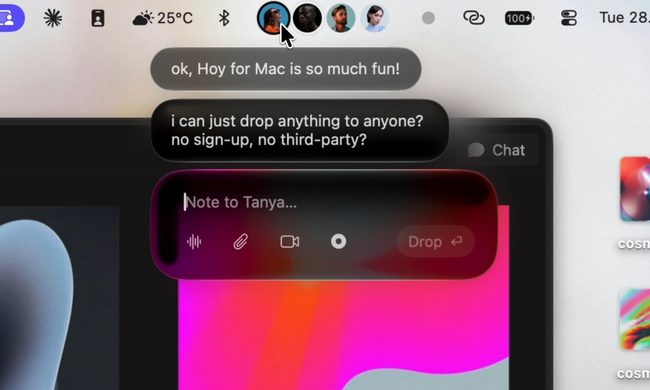
Hoy wants sending something from your Mac to feel as casual as dropping a file onto someone’s desk. Instead of opening another app, you drag it onto that person’s face sitting in the menu bar.
https://twitter.com/heyiamdk/status/2082151995687748064
Tech giants are gaga over AI, but employees say the AI race is making their jobs harder
Employees at some of AI’s biggest companies say the AI push is bringing longer hours and heavier workloads
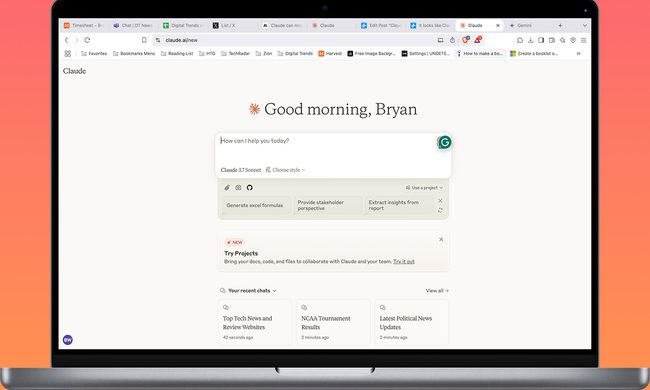
Tech companies have spent years promising that AI will help people accomplish more in less time. Inside several companies leading that race, some employees are describing an awkward consequence. More productive tools haven’t necessarily produced shorter working days.
Workers at OpenAI, Anthropic, Meta, and Google told the BBC about punishing schedules and AI projects consuming nights and weekends. The twist is that their employers increasingly have evidence that AI really can help people get more done.
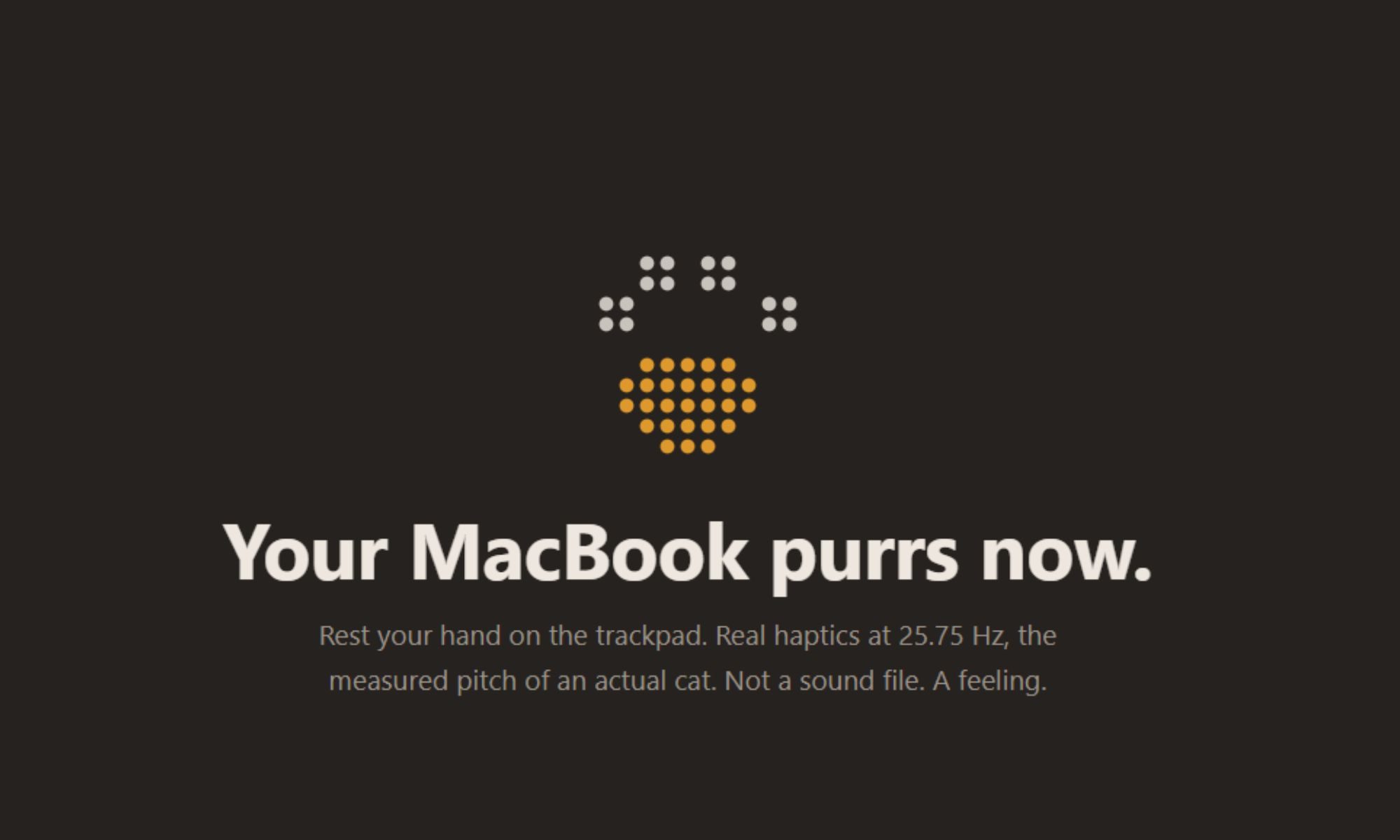
Your MacBook trackpad can now purr like a cat, and it’s surprisingly convincing
A clever new Mac app uses your MacBook's Force Touch trackpad to recreate the feeling of a real cat purring under your palm.
Mac developers keep finding new ways to make their laptops do things Apple never intended. Earlier this year, an app went viral for making MacBooks moan when slapped. Another unique app lets you feel a webpage's buttons through the trackpad before you click them. Now, a developer has built one that makes the trackpad purr like a cat.
PurrPad makes use of the Taptic Engine built into MacBook trackpads, so instead of hearing a purr through your speakers, you feel one under your palm. Developer Francesco Pavanetto, who shared the app on Reddit, says he tuned the vibration to the actual measured pitch of a real cat purr and built it so the pattern never repeats exactly.