The surprising ways air travel can affect your body
While air travel is one of the safest modes of transport, it places many unique challenges on the human body
 MikeTyes
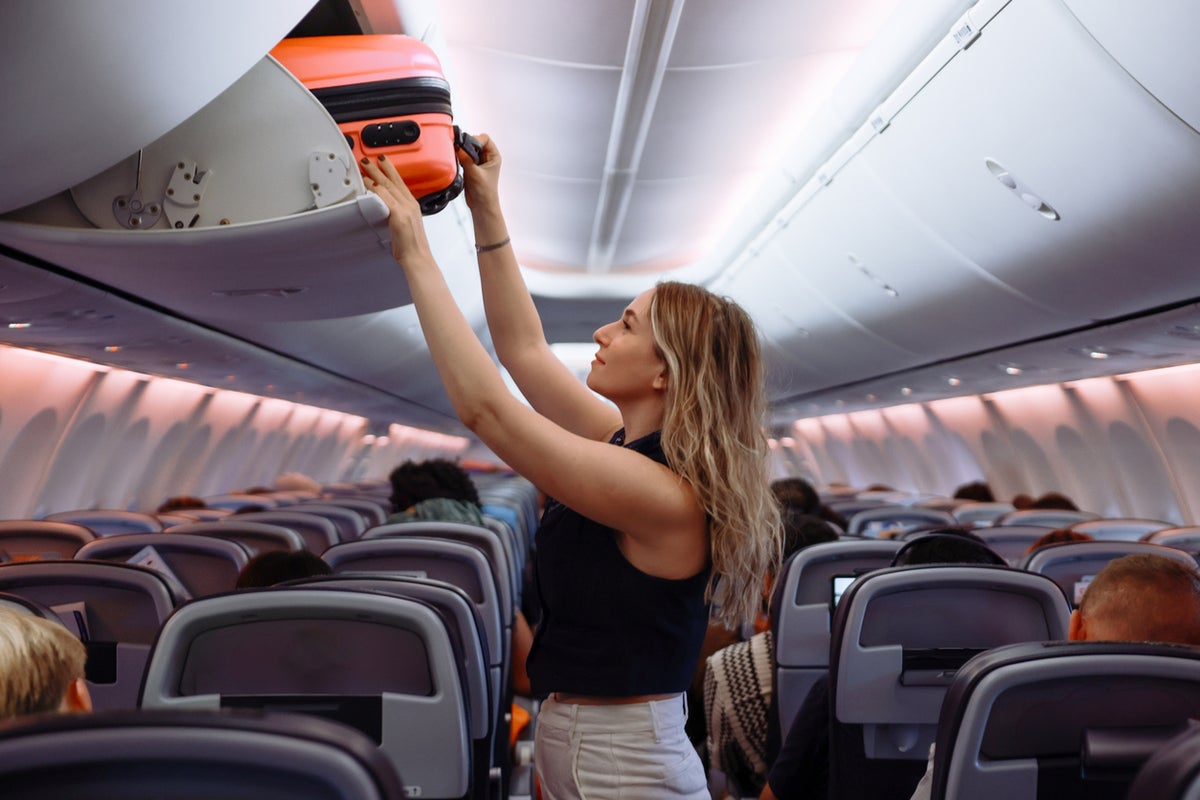
At any given point there are hundreds of thousands of people in the skies travelling by air. For many, these journeys will pass by without consequence. But for some, a routine flight may trigger a health emergency.
Although these events are rare, with the demand and availability of air travel increasing, so too is the likelihood of an in-flight emergency occurring. A study last year showed that one in every 212 flights experiences some kind of in-flight emergency, while in 2013 it only occurred on an estimated one in every 604 flights. In-flight emergencies cover everything from bumps, cuts and minor injuries through to heart attacks.
While air travel is one of the safest modes of transport, it places many unique challenges on the human body – which is why it can sometimes trigger sudden health problems.

One of the key reasons air travel is so hard on the body is due to the cabin pressure.
The aircraft cabin is pressurised at a level of up to 8,000 feet above sea-level. This pressure change has a significant impact on many body systems, especially those containing gases (such as the respiratory and gastrointestinal systems).
As the pressure in the cabin increases, the amount of available oxygen decreases because the molecules are further apart. At sea-level, the air contains approximately 21% oxygen. But when flying at altitude, the air only contains the equivalent of 15% oxygen. To compensate, the body increases the number of breaths it takes. It also increases heart rate to better pump oxygen to tissues.
A healthy person probably won’t notice these changes. But for someone who has a cardiopulmonary disease (such as chronic obstructive pulmonary disease or hypertension), these changes in cabin pressure and oxygen levels may be dangerous.
This is because the reduction in oxygen and pressure changes all effect how well the heart and lungs can do their job. For someone whose heart and lung function are already impaired, the aircraft’s unique environment can therefore have an even greater impact on these systems.
Fluid loss and dehydration are another big challenge when it comes to air travel.
Humidity is often very low in-cabin, which dries out the skin, eyes, nose and throat. It also increases water loss from the body – with passengers losing up to 360ml an hour.
This dehydration often makes our blood thicker and reinforces the extra work the heart is having to do to pump blood round our bodies. This sticky blood also increases the risk of clotting-related conditions arising, such as deep vein thrombosis.
In-flight emergencies
Fainting is common on flights. It’s seen in at least one in three airline emergencies. Most are caused by postural hypotension, where going from sitting to standing causes blood to pool in the legs, resulting in reduced blood flow to the brain.
Alcohol and dehydration, combined with the atmospheric conditions onboard the aircraft, make a perfect cocktail for fainting as well. The food we eat onboard can feed into this, too. At altitude, your tastebuds are about 30% less sensitive so foods often have additional salt added for flavour. This further contributes to dehydration.
Many complaints and emergencies on aircraft are the result of gastrointestinal issues. This can include airsickness – a specific form of motion sickness – but more commonly they’re issues at the other end of the body.
When the gut breaks down food, it produces gas – which, on a plane, expands in the gut. This is why everyone finds they’re more flatulent on a plane – a phenomenon aptly termed high altitude flatus expulsion. Certain foods, such as beans, broccoli, kale, onions, red meat, lentils and gluten may make things worse.
When airborne, the gas in the intestines may expand to four times the normal volume. This gas is typically harmless and doesn’t cause an emergency – though their impact on other passengers might.
But in rare instances, upset stomachs – termed “jet belly” – have forced flights to turnaround. For example, a 2023 flight from Atlanta to Spain had to return to the States after a passenger left a trail of diarrhoea along the aircraft.
Although mid-air cardiac emergencies are rare, they have far poorer outcomes than when they happen on land. In fact, the vast majority of in-flight deaths are due to cardiac events.
There are a few reasons for this – including varied and limited in-flight medical equipment and a lack of trained medical professionals.
About the author
Adam Taylor is a Professor of Anatomy, Lancaster University. This article was first published by The Conversation and is republished under a Creative Commons licence. Read the original article.
Other vascular events, such as strokes, are also rare on aircraft, but they can have a particularly poor outcome for similar reasons.
Safe travels
As you jet off on your travels, consider drinking plenty of water before and during the flight. Set a schedule of when you need to take your medication so that you don’t fall behind on taking them.
Try to move around at least once every couple of hours if you can to ensure adequate blood circulation and prevent muscle stiffness. Avoid or limit alcohol intake as its effects at altitude are increased and it exacerbates many of the bodily issues that are brought on by flying.
People who have recently had dental work, surgery or been diving in the days prior to flying may all be at increased risk of complications due to changes in pressure and the potential gases that may have been introduced to the body. Depending on the type of diving, at least 48 hours between diving and flying may be recommended.
Not every emergency onboard a flight will necessitate landing. Ultimately, that decision rests with the captain. But behind it is a calculated decision based on input from crew, medical professionals on the ground (and sometimes onboard), as well as many other factors.























.jpg&h=630&w=1200&q=100&v=c0f97a310e&c=1)