Woman gives birth mid-flight as plane nears New York City — but will the baby be a US citizen?
The extraordinary event took place aboard a Caribbean Airlines flight from Kingston, Jamaica to JFK Airport in New York
 Tfoso
Tfoso
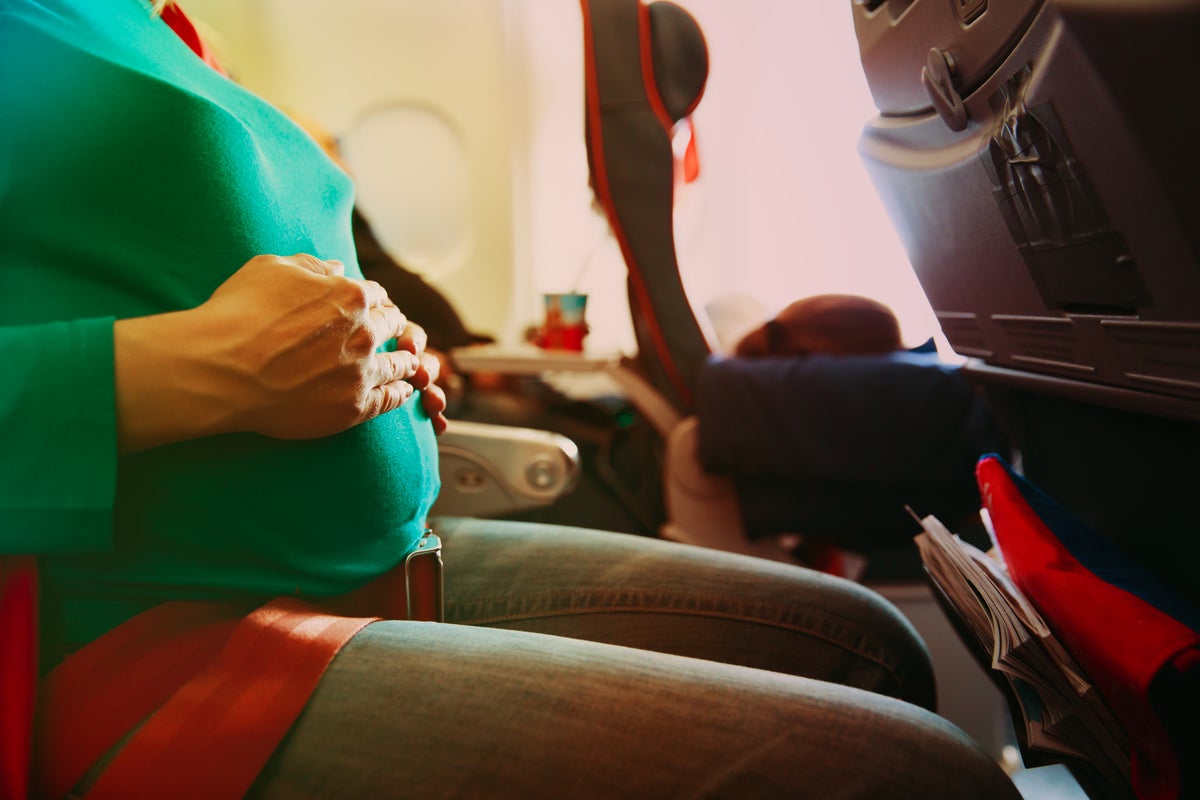
A woman has given birth on a flight traveling from Jamaica to New York City - but whether the baby will be a U.S. citizen remains an unanswered question.
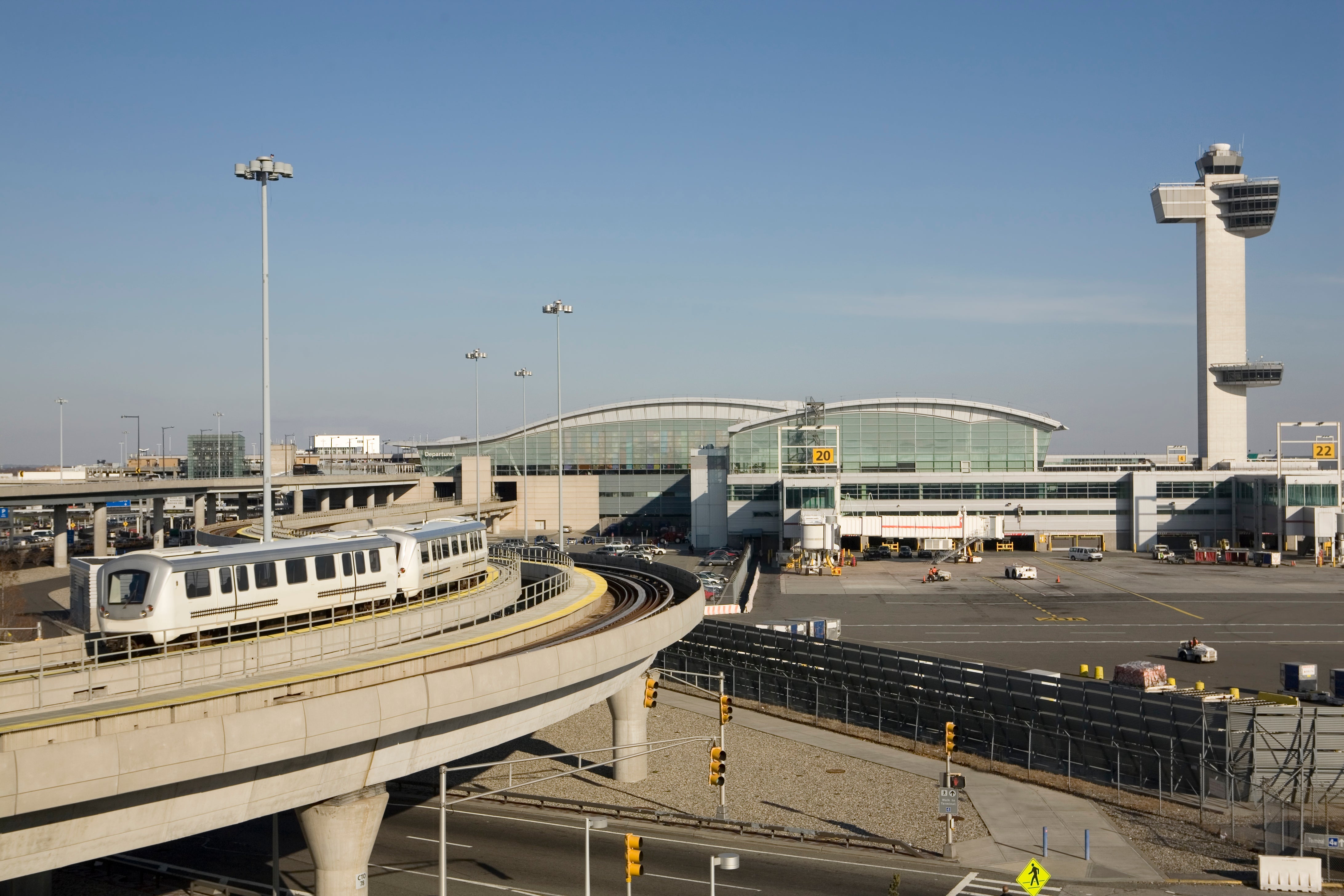
The extraordinary event took place April 4 on board Caribbean Airlines flight BW005 from Kingston to John F. Kennedy International Airport. In audio, aired by CBS News, a pilot can be heard telling air traffic control about the new addition to the passenger manifest.
As the plane makes its approach at an altitude of 2,000 feet, an air traffic controller asks: “Is it out yet?”
The pilot responds: “Yes, sir.” The controller then suggests that the passenger name the baby Kennedy, after the airport.
A baby born over U.S. airspace is automatically granted U.S. citizenship but the Caribbean Airline flight’s precise location at the moment of birth has not been confirmed.
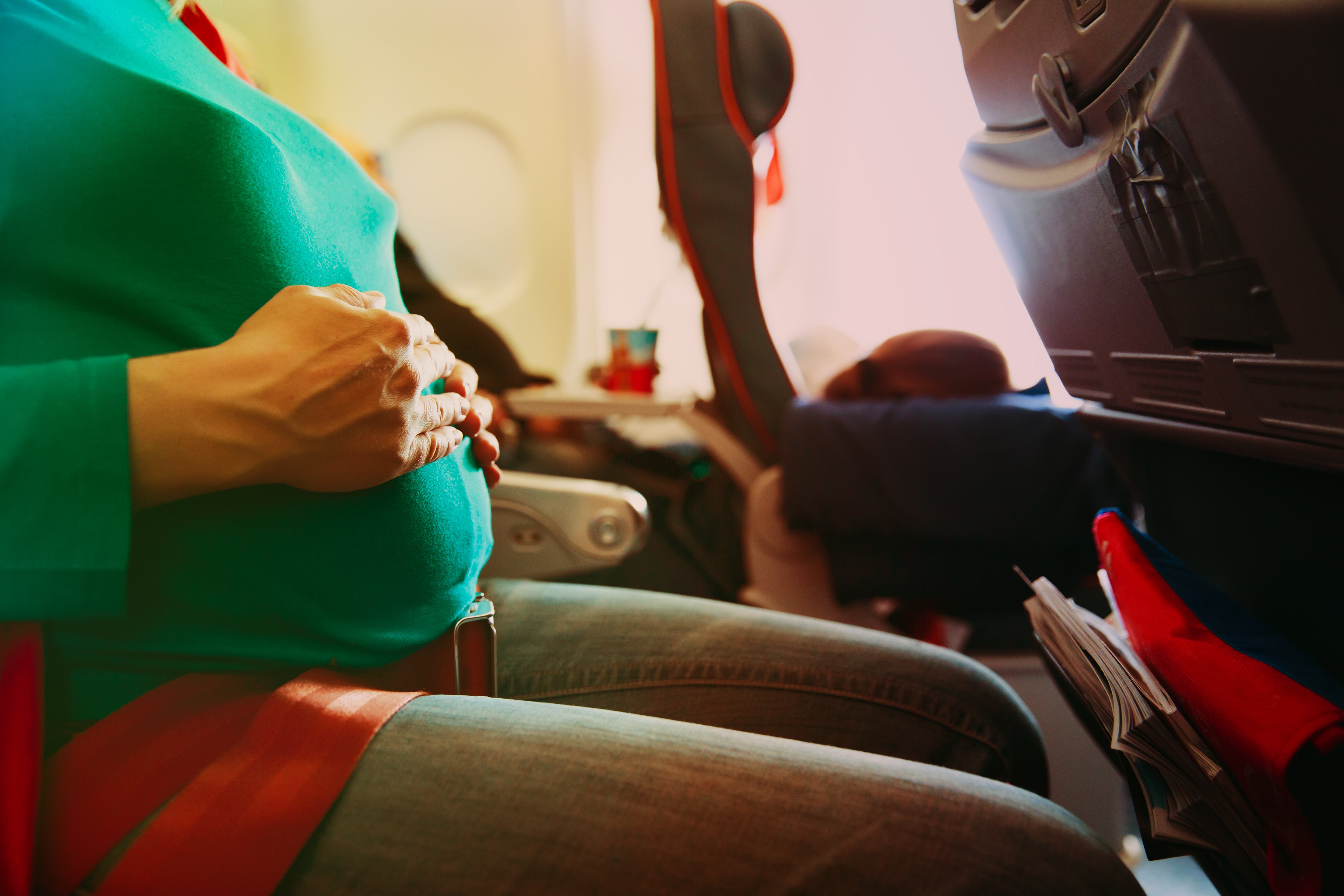
Medical personnel later met the passenger and newborn at the gate.
The mother and baby, who have not been identified, have become part of a very exclusive club: there have been fewer than 100 births on commercial aircraft.
Caribbean Airlines said in a statement: “Caribbean Airlines confirms that there was a medical event onboard flight BW005 of April 4, 2026, during which a passenger gave birth while enroute from Kingston, Jamaica, to New York. Upon arrival, the mother and newborn were attended to by medical personnel and are receiving the necessary care.
“The airline commends the professionalism and measured response of its crew, who managed the situation in accordance with established procedures, ensuring the safety and comfort of all onboard.
“Caribbean Airlines also confirms that no emergency was declared during the flight. We respectfully ask that the privacy of the passenger and her family be observed at this time.”
It is safe to fly while pregnant but most airlines require a “fit to fly” letter after 28 weeks that confirms the due date and that the pregnancy has no complications.
Caribbean Airlines appears more lenient, stating on its website: “Between the 32nd and 35th week, medical clearance is mandatory.”
Regarding the child’s legal status, Miami-based immigration attorney Juan Carlos Rivera told The Independent: "The key legal principle here is jus soli, 'right of the soil,' which is embedded in the 14th Amendment to the U.S. Constitution.
“U.S. airspace is considered U.S. territory, so if this baby was born while the plane was within 12 nautical miles of the U.S. coastline, she or he would automatically qualify for U.S. citizenship by birthright. The mother wouldn't need to 'claim' it if the birth occurred in U.S. airspace — citizenship attaches at the moment of birth."
He added: "Establishing citizenship in this scenario requires documentation of where the birth occurred. The family would likely need flight data such as GPS coordinates logged by the aircraft at the time of delivery, to pinpoint whether the birth occurred within or outside U.S. airspace.
"If confirmed within airspace, the family would apply for a U.S. passport or a birth certificate through the relevant state — in this case, likely New York — presenting the flight records, a medical birth record from the aircraft or the receiving hospital, and any documentation from the airline confirming the flight's position. The State Department's passport specialists handle adjudication of these in-flight birth cases.
"It's important to note that even if the baby is a U.S. citizen, that does not automatically confer any immigration benefit on the parents."
Rivera further noted that the baby's birth comes "at a pivotal moment in citizenship law," with President Donald Trump seeking to end automatic birthright citizenship for the children of parents unlawfully present or on temporary visas in the U.S.
The lawyer said: "A [Supreme Court] ruling is expected by June or July 2026, and that decision could change the calculus for future in-flight births entirely."