2-year yield rises to highest since January 2025 after hot jobs report boosts expectations that the Fed could raise rates
Treasury yields rose as the hot jobs report along with sticky inflation may give the Fed more cover to hike interest rates in September.
 KickT
KickT
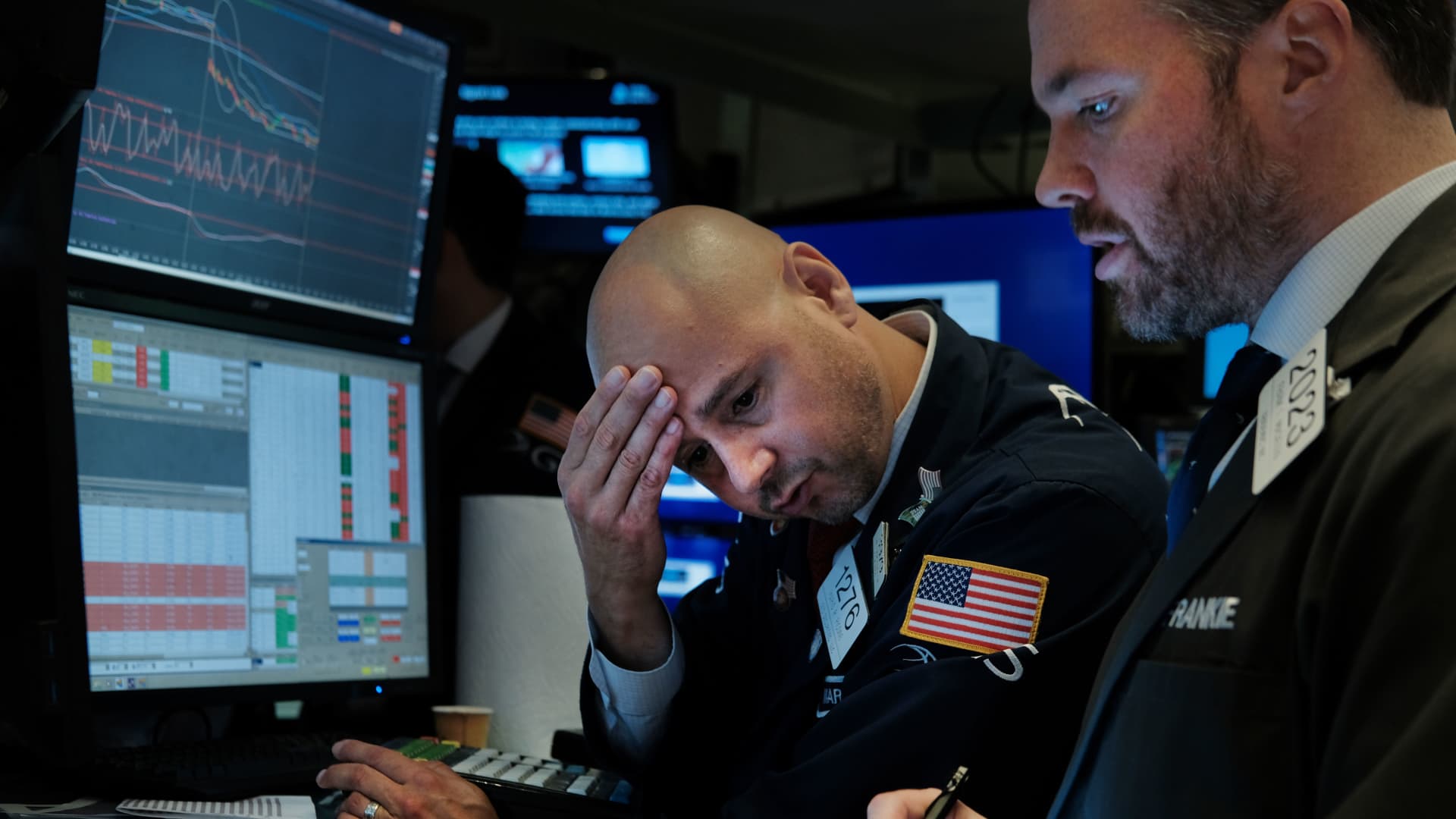
Traders work on the floor of the New York Stock Exchange (NYSE) on August 14, 2019 in New York City.
Spencer Platt | Getty Images
Treasury yields rose in trading Friday, as investors digested a stronger-than-expected jobs report for the month of August and weighed the impact it may have on the Federal Reserve's decisions on interest rates.
The shorter-dated 2-year Treasury note yield, which tends to react in line with short-term Federal Reserve interest rate decisions, rose more than 4 basis points to 4.379%. It was the highest level for the yield since January 2025.
The key 10-year Treasury note yield — the main benchmark for mortgages, auto loans and credit card debt — was up more than 1 basis point at 4.78%.
The longer-dated 30-year Treasury note yield, which is often sensitive to geopolitical events, was little changed at 5.243%.
One basis point equals 0.01%, or 1/100th of 1%, and yields and prices move inversely to one another.
The U.S. economy added 162,000 jobs in August, above consensus estimates for 53,000, according to economists polled by Dow Jones. A hot labor market and sticky inflation — as price growth on an annual basis remains above the Fed's 2% target — could give the central bank more cover to raise interest rates at its September meeting.
Traders increased their bets on a Fed rate hike at the Sept. 15-16 meeting. The probability of a quarter percentage point increase rose to 58%, or about 9 percentage points higher than a day ago, according to the CME Group's FedWatch tool.
"Fed officials have characterized the employment markets as stable but today's stellar jobs report shows hiring is surprisingly robust given the high level of energy prices and the ongoing affordability crisis," said Chris Rupkey, chief economist at FWDBONDS. "The only fear is the Fed itself if it thinks economic demand is hot enough to need a rate hike in a couple of weeks."
Investors will now have all eyes on fresh inflation data, due out next week, as markets look for the final data signals into the Federal Reserve's latest interest rate decision on Sept. 15-16.
Vice President JD Vance on Thursday called on the Fed to cut interest rates to make homes more affordable.
Bond yields receded during Thursday's session, with the 10-year Treasury note yields sliding more than 2 basis points and the 30-year Treasury note yield dropping more than 1 basis point.