Ken Kesey’s ‘Furthur’ bus returns to San Francisco after 60 years for new Grateful Dead exhibit
Formed in 1965, the Grateful Dead is synonymous with San Francisco and its counterculture
 BigThink
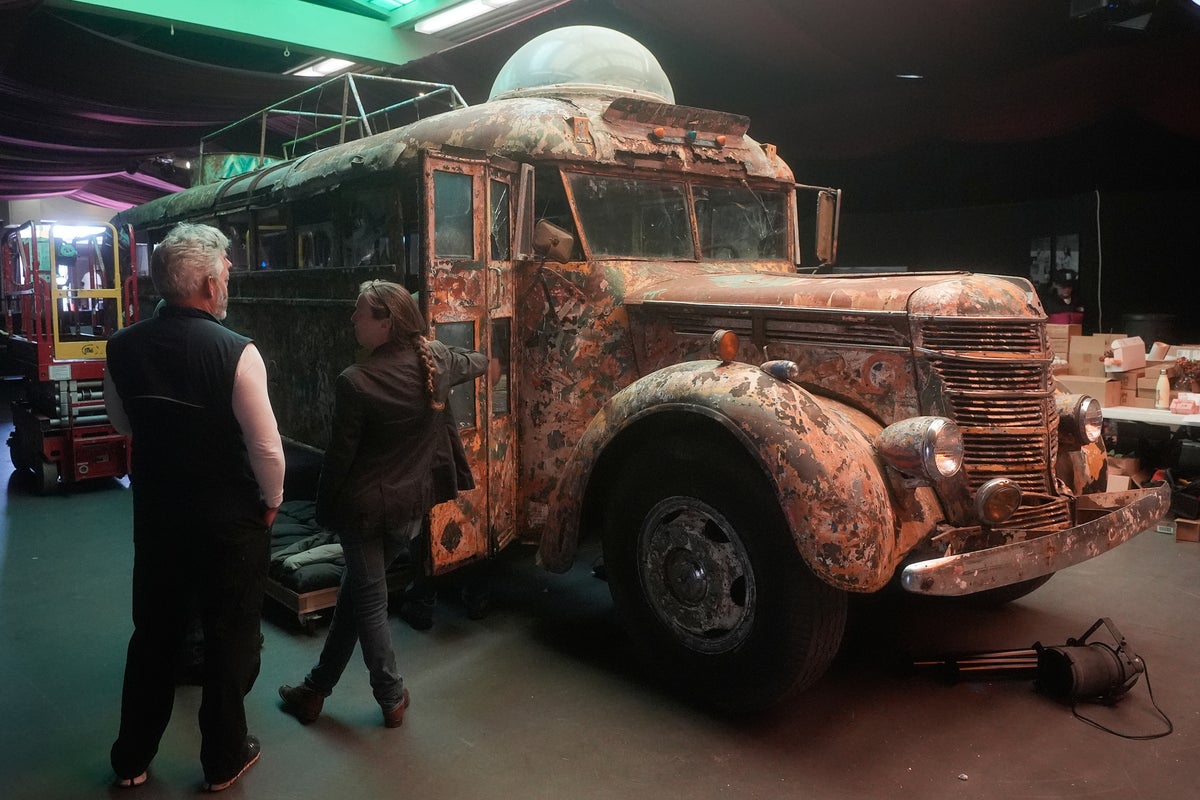
Six decades after its famous journey across America, Ken Kesey’s brightly decorated school bus has returned to San Francisco to serve as the centerpiece of an exhibition celebrating the Grateful Dead and the city’s historic counterculture movement.
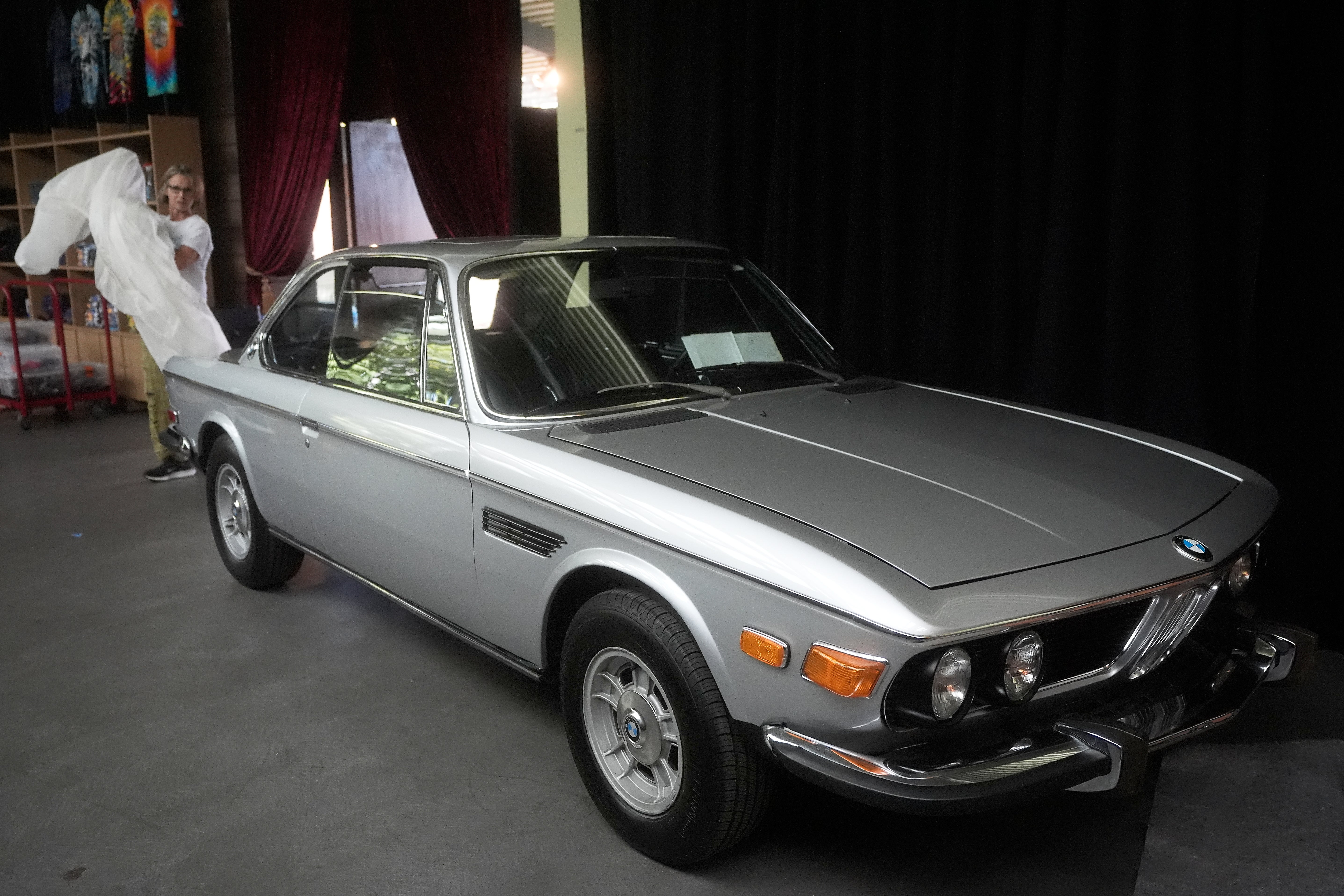
The exhibition, titled "Forever Grateful/Golden Gate Park," opens Saturday and features the first public display of Grateful Dead frontman Jerry Garcia ’s mint-condition BMW.
These two flagship items anchor a display designed to immerse visitors in the visual, auditory, and cultural landscape of 1960s San Francisco.
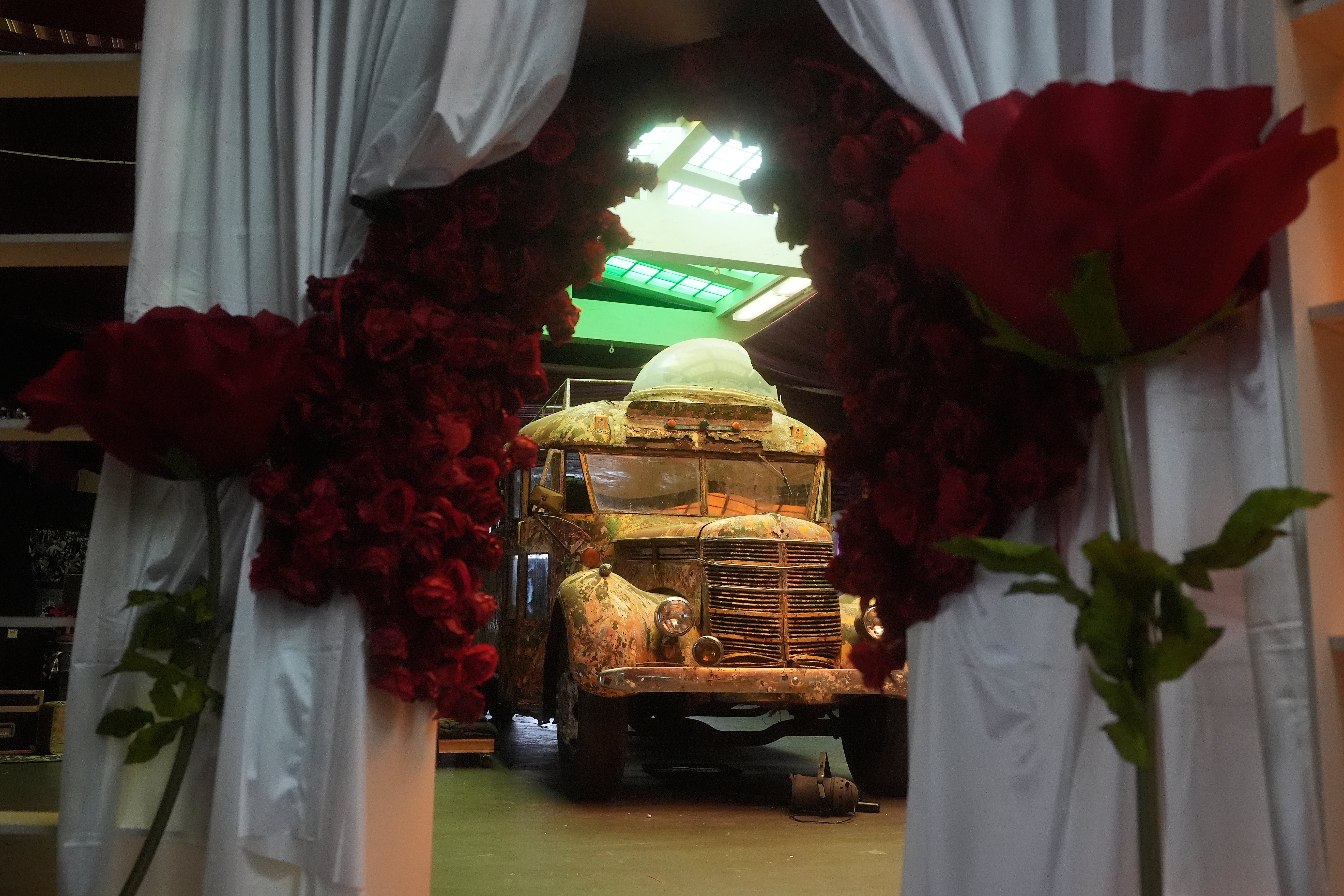
Kesey piloted the vehicle, named "Furthur," alongside his Merry Band of Pranksters on a cross-country trip intended to explore artistic expression, music, and mind-expanding substances.
"This invites people to communicate and connect around art, music, and activism," said Kelly Harris, executive director of the Haight Street Art Center, which organized the exhibition. "In this day and age, when we need something to bridge community, we know that this space allows for that to happen and Furthur is the portal."
A celebration of hippie love, activism
The retrospective arrives as San Francisco faces growing economic disparities driven by an artificial intelligence boom, alongside broader national political friction and fatigue.
Formed in 1965, the Grateful Dead became deeply bound to San Francisco’s cultural identity. Members shared a low-cost Victorian house in the Haight neighborhood before emerging as central figures during the 1967 Summer of Love.
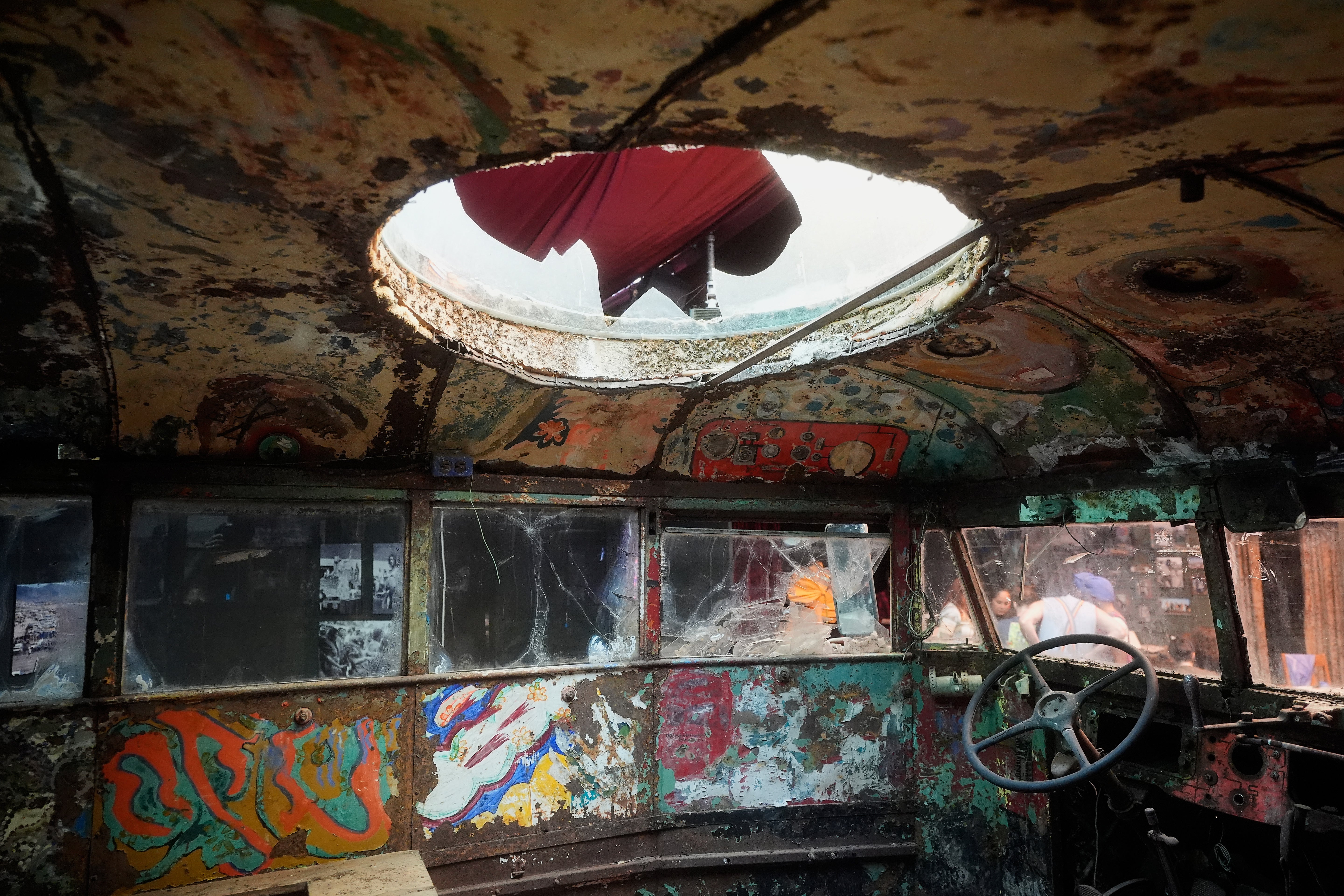
The band's path was intimately linked with Kesey’s bus from the beginning.
Using royalties from his novel "One Flew Over the Cuckoo’s Nest," Kesey purchased the bus in 1964. He and his companions embarked on a coast-to-coast trip powered by marijuana and LSD, introducing much of the nation to the burgeoning psychedelic subculture.
Author Tom Wolfe chronicled the historic expedition in his 1968 book, "The Electric Kool-Aid Acid Test."
Upon returning to California, Kesey—who had previously taken part in government drug experiments while a student—hosted gatherings at his home near Stanford University that became known as the "acid tests."
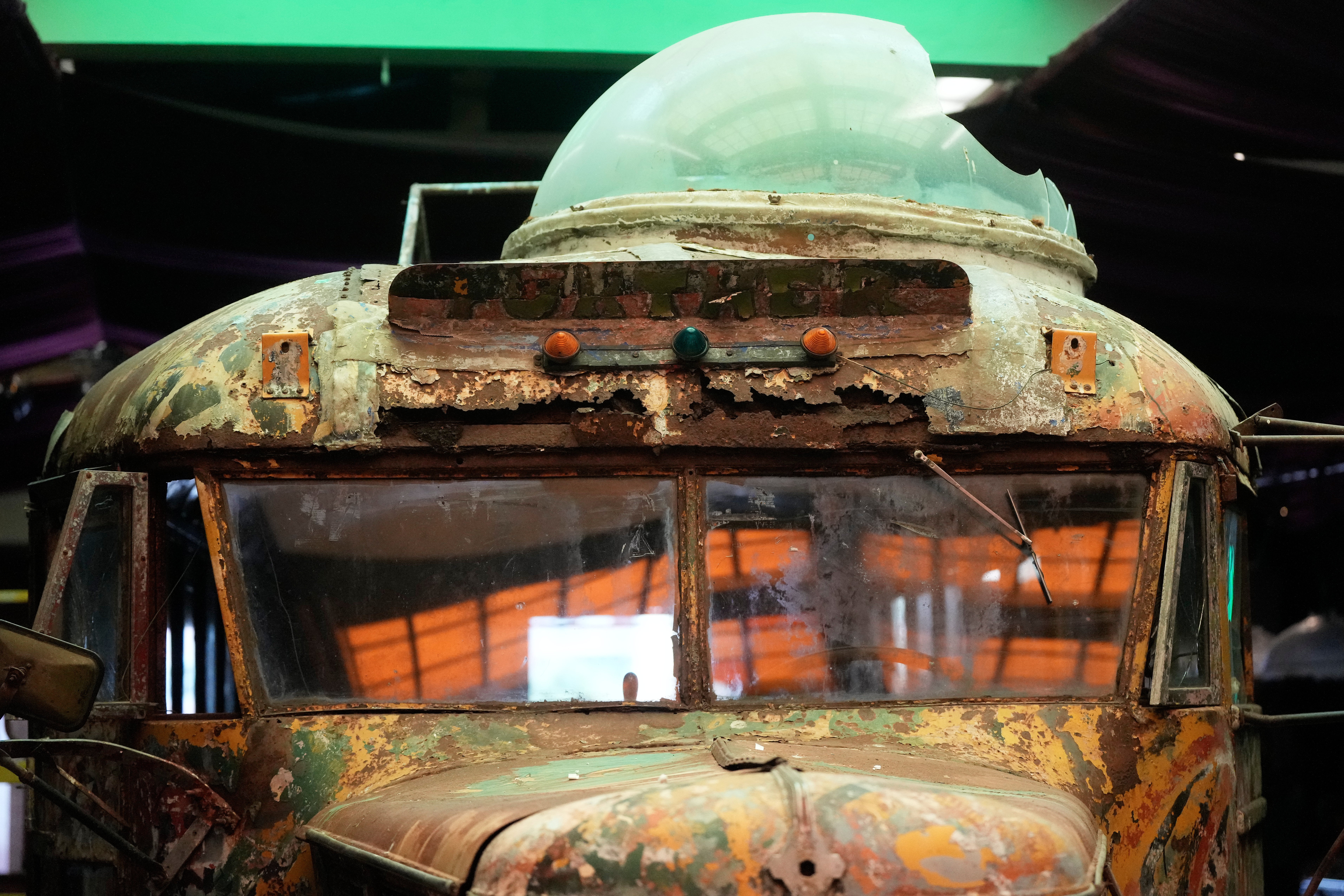
A local act named The Warlocks performed at these events before renaming themselves the Grateful Dead. As Kesey brought the parties to various locations across the Bay Area, the bus became a key emblem of the movement.
"This entire exhibit, it’s a very layered story of the Grateful Dead and their influence, their phenomenon, and their impact on communities, on society, on people, and how their legacy still lives on," said Renee de Cossio, director of exhibitions at the Haight Street Art Center.
Devoted followers often recount the moment they first connected with the music, valuing the surrounding community as much as the performances themselves.
Exhibit immerses visitors in counterculture
The showcase invites attendees to record their own introduction to the counterculture—whether as longtime Deadheads who saw Garcia live, post-Garcia converts, or first-time listeners.
Actors from Third Rail Projects, an experiential performance company based in New York, will guide visitors through portions of the exhibit, including a darkened mirrored corridor leading to interactive conversational spaces.
Guides will then lead small groups into a liquid light show, a classic 1960s medium projecting shifting, colorful patterns onto the surrounding surfaces to simulate the inside of a giant lava lamp.
"You might go with the people that you came with, or you might get packaged with a couple other folks that you didn’t know, and you’ll then unpack the experience with each other and have a conversation with a stranger that you wouldn’t have had otherwise," said Edward Rice, associate managing director at Third Rail Projects.
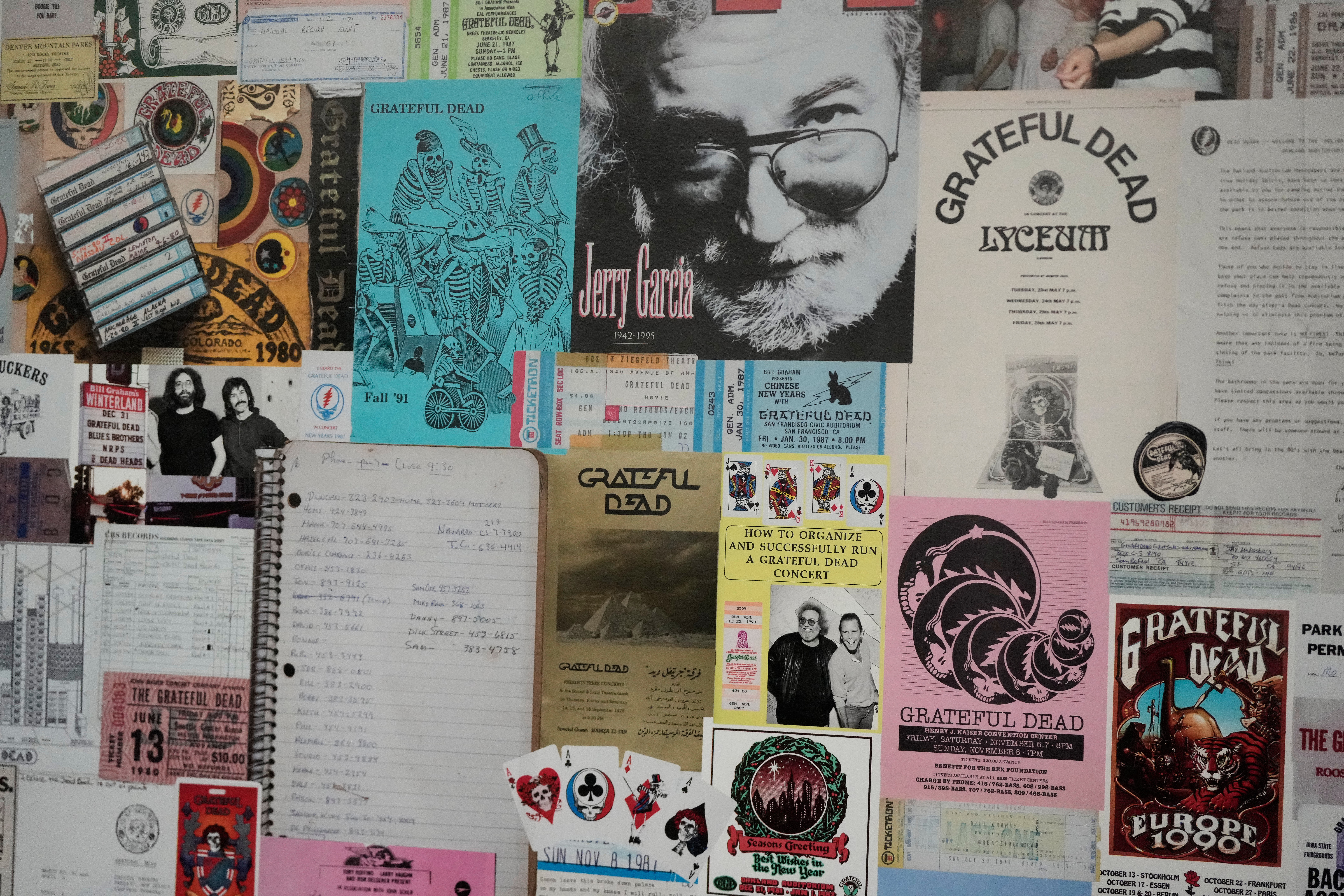
Open through Oct. 25, the exhibit includes archival photographs of the group’s Golden Gate Park concerts and a hands-on screen-printing station.
The event also supports efforts to restore the worn "Furthur" bus, which acquired its name from a destination sign error. Kept on the Kesey family farm in Pleasant Hill, Oregon, it was last shown publicly at Woodstock in 1969.
"The focal point is the Furthur bus. And Furthur is a call to action. Never stop creating, never stop exploring, keep going further," Harris said.










.png?trim=0,0,0,0&width=1200&height=800&crop=1200:800)