Sick Of Your CPAP Machine? Meet The Less Invasive Alternatives
Quality sleep is right around the corner.
 Hollif

mbg Deputy Commerce Editor
Image by Prostock-Studio / iStock March 13, 2026 We carefully vet all products and services featured on mindbodygreen using our Our selections are never influenced by the commissions earned from our links. If you’ve been diagnosed with sleep apnea, chances are your doctor recommended a CPAP machine. CPAP (short for continuous positive airway pressure) keeps your airway open while you sleep by delivering a steady stream of air through a mask. It’s extremely effective—but it’s also not exactly the easiest sleep accessory to get used to. Many people struggle with the mask, the noise, or the feeling of sleeping attached to a machine. In fact, research suggests a large percentage of patients stop using their CPAP within the first year. If that sounds like you, don’t panic. CPAP is considered the gold standard treatment for sleep apnea, but it’s not the only option. Depending on the severity of your condition, several alternatives may help you breathe easier and sleep more comfortably. Below, we break down the most common CPAP alternatives—and who they tend to work best for.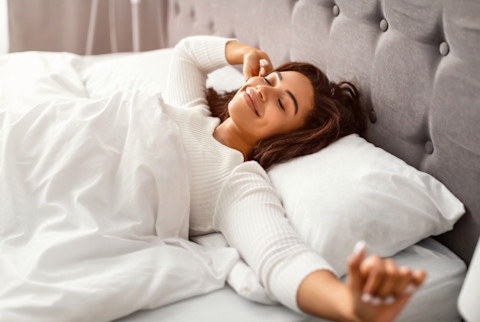
Why some people struggle with CPAP
CPAP machines are incredibly effective when people use them consistently. But getting comfortable with one can take time.
Some of the most common complaints include:
Sometimes small adjustments—like trying a different mask style or adding a humidifier—can make CPAP easier to tolerate. But if those fixes don’t help, it may be worth discussing other treatment options with your sleep doctor.
The best CPAP alternatives for sleep apnea
While CPAP machines remain the gold standard treatment for obstructive sleep apnea, they’re not the only option. Depending on the cause and severity of your condition, several alternatives may help improve nighttime breathing.
Below are some of the most common CPAP alternatives doctors may recommend.
1. Daytime Neuromuscular Therapy
If wearing a device overnight sounds uncomfortable, a newer treatment option focuses on strengthening airway muscles during the day instead of while you sleep.
One example is eXciteOSA, an FDA-cleared device designed for people with primary snoring or mild obstructive sleep apnea. The device sends gentle electrical pulses to the tongue muscles, helping strengthen them over time so they’re less likely to collapse and block the airway during sleep.
Instead of wearing something overnight, the therapy typically involves short daytime sessions—often around 20 minutes per day for several weeks—followed by occasional maintenance use.
Because it focuses on improving muscle tone rather than mechanically holding the airway open, this approach may appeal to people looking for a non-overnight treatment option.
Contributor writer, Casey Clark, tested the device for over one month after she was diagnosed with sleep apnea last year. Her case was mild, so her doctor recommended trying alternative treatments at first. Clark was skeptical at first, especially given the higher price point.
But after several weeks of consistent use, she noticed meaningful improvements in her sleep. "I found myself waking up less in the middle of the night… and I don’t toss and turn as much,” she wrote, adding that she also had “more energy in the morning and can get more done throughout the day.”
Another benefit: The routine was easy to stick with. As Clark explained, “I love that the treatment doesn’t require a huge time commitment during the day; it’s only 20 minutes.”
Best for:

2. Oral appliances (i.e. sleep apnea mouthguards)
Another common CPAP alternative is a custom oral appliance, sometimes called a mandibular advancement device.
These mouthguards work by gently shifting the lower jaw forward while you sleep. That small movement helps keep the airway open and prevents the tongue from falling backward.
If you’ve ever worn a retainer or night guard, the experience is somewhat similar—just designed specifically to support breathing during sleep.
Oral appliances are typically fitted by a dentist trained in sleep medicine to ensure the device is comfortable and properly aligned.
Best for:
3. Positional therapy
For some people, sleep apnea mainly happens when they sleep on their back. This is known as positional sleep apnea.
When you lie on your back, gravity can cause the tongue and soft tissues in the throat to fall backward, partially blocking the airway. Sleeping on your side often helps keep the airway more open.
Positional therapy focuses on training your body to stay in a side-sleeping position throughout the night. This can involve specialized sleep devices or simple techniques that make back-sleeping less comfortable.
While it may sound surprisingly simple, changing sleep position can significantly reduce breathing interruptions for certain people.
Best for:
4. EPAP Devices
EPAP stands for expiratory positive airway pressure, and these devices work differently from CPAP machines.
Instead of pushing air into the airway, EPAP devices create gentle resistance when you breathe out. This back pressure helps keep the airway from collapsing while you sleep.
They’re typically small and sit just inside the nostrils, making them far less bulky than traditional CPAP equipment.
Because EPAP devices are simple and portable, some people prefer them as a travel-friendly alternative to larger sleep apnea machines.
Best for:
5. Weight loss & lifestyle changes
For many people, sleep apnea is closely linked to body weight.
Extra weight—especially around the neck—can put pressure on the airway and increase the chances that it collapses during sleep. That’s why weight loss is often recommended as part of a broader treatment plan.
Lifestyle changes that may help improve sleep apnea symptoms include:
6. Myofunctional Therapy
Myofunctional therapy focuses on strengthening the muscles in the tongue, throat, and mouth through targeted exercises.
These exercises aim to improve muscle tone and tongue posture, which can help keep the airway more stable during sleep.
The therapy is typically guided by trained specialists and involves practicing specific exercises daily over several weeks or months.
While it’s still considered an emerging treatment, some research suggests it may help reduce snoring and mild obstructive sleep apnea.
Best for:
7. Treating nasal blockages
Breathing problems during sleep can be made worse by nasal congestion or structural nasal issues.
Conditions like allergies, chronic sinus congestion, or a deviated septum can restrict airflow through the nose, which may contribute to snoring and sleep apnea symptoms.
Treating these underlying issues may help improve nighttime breathing and make other sleep apnea treatments more effective.
Options may include medications, allergy treatments, or procedures to improve nasal airflow.
Best for:
| CPAP machine | Uses pressurized air to keep the airway open during sleep | Moderate to severe sleep apnea |
| Daytime neuromuscular therapy | Strengthens tongue muscles to help prevent airway collapse | Mild sleep apnea or snoring |
| Oral appliances | Moves the jaw forward to keep the airway open | Mild to moderate sleep apnea |
| Positional therapy | Encourages side sleeping to reduce airway obstruction | Positional sleep apnea |
| EPAP devices | Creates resistance during exhalation to support the airway | Mild sleep apnea or snoring |
| Lifestyle changes | Addresses contributing factors like weight and alcohol use | Mild sleep apnea or early treatment |
| Surgery | Corrects structural airway issues | Severe cases or anatomical causes |
Are CPAP alternatives actually effective?
While CPAP machines are still considered the gold standard for treating sleep apnea, they’re not the only option—especially for people with milder symptoms. Alternatives like oral appliances, positional therapy, lifestyle changes, and newer treatments that strengthen airway muscles may help improve breathing and sleep quality for the right candidates. The key is finding a solution that feels manageable night after night, since consistency is what ultimately leads to better sleep—and better long-term health.