What you should do to avoid flight chaos this summer
With a large amount of the world’s jet fuel supply trapped in the Gulf, Britons’ holiday plans have been called into question
 Troov
Troov
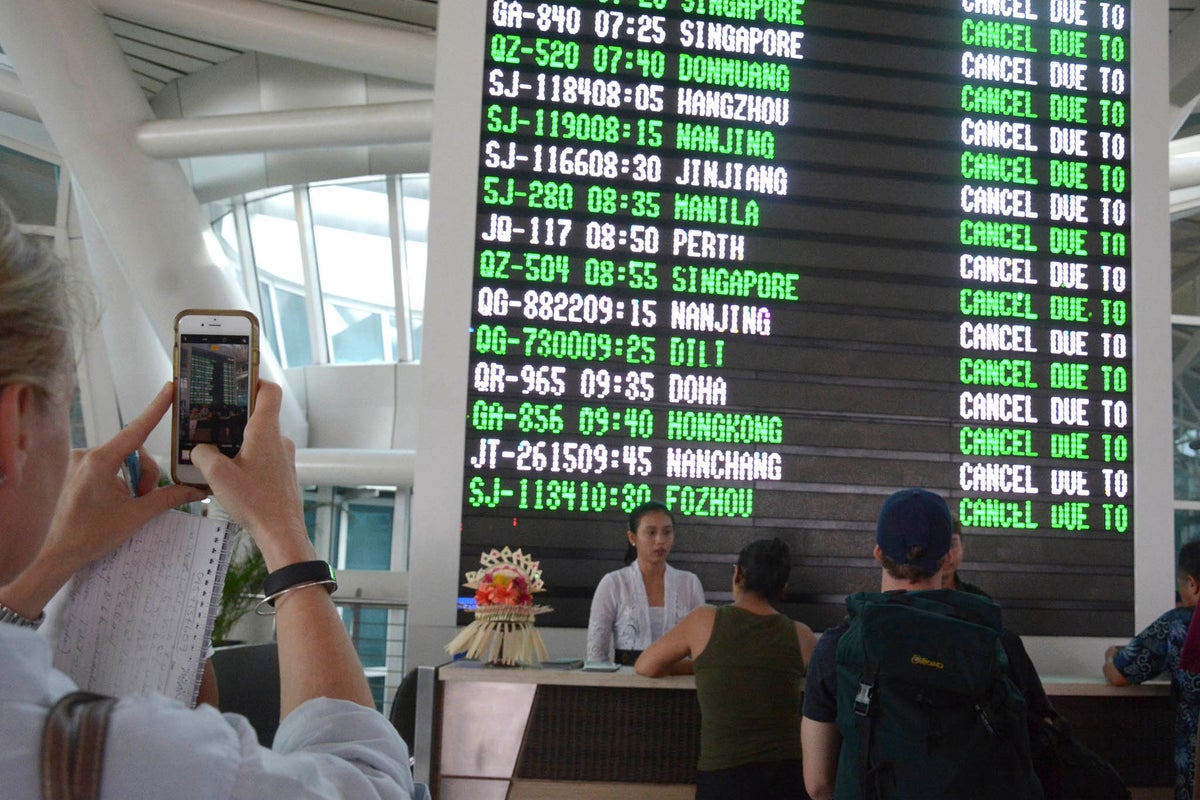
US president Donald Trump’s blockade of the Strait of Hormuz has sparked further concerns of long-term disruption to the flow of fuel through the vital global shipping route.
Airlines were leading the stock market falls in London on Monday as worries deepened over the supply and cost crunch for jet fuel.
The rising fuel prices continue to cast doubt on Britons' summer travel plans, which are becoming more vulnerable to air fare increases or outright cancellations.
Airport Council International Europe has said European airports could face jet fuel shortages within a few weeks if the key shipping route remains closed.
In a letter to the European Commission, the group said its concerns had been intensified by the approach of the peak summer season, “when air travel enables the whole tourism ecosystem upon which many [EU] economies rely”.
Several airlines have echoed these concerns, with Ryanair admitting that it cannot rule out risks to fuel supplies at some airports if the Strait of Hormuz remains closed into May or June.
When could air fares rise?
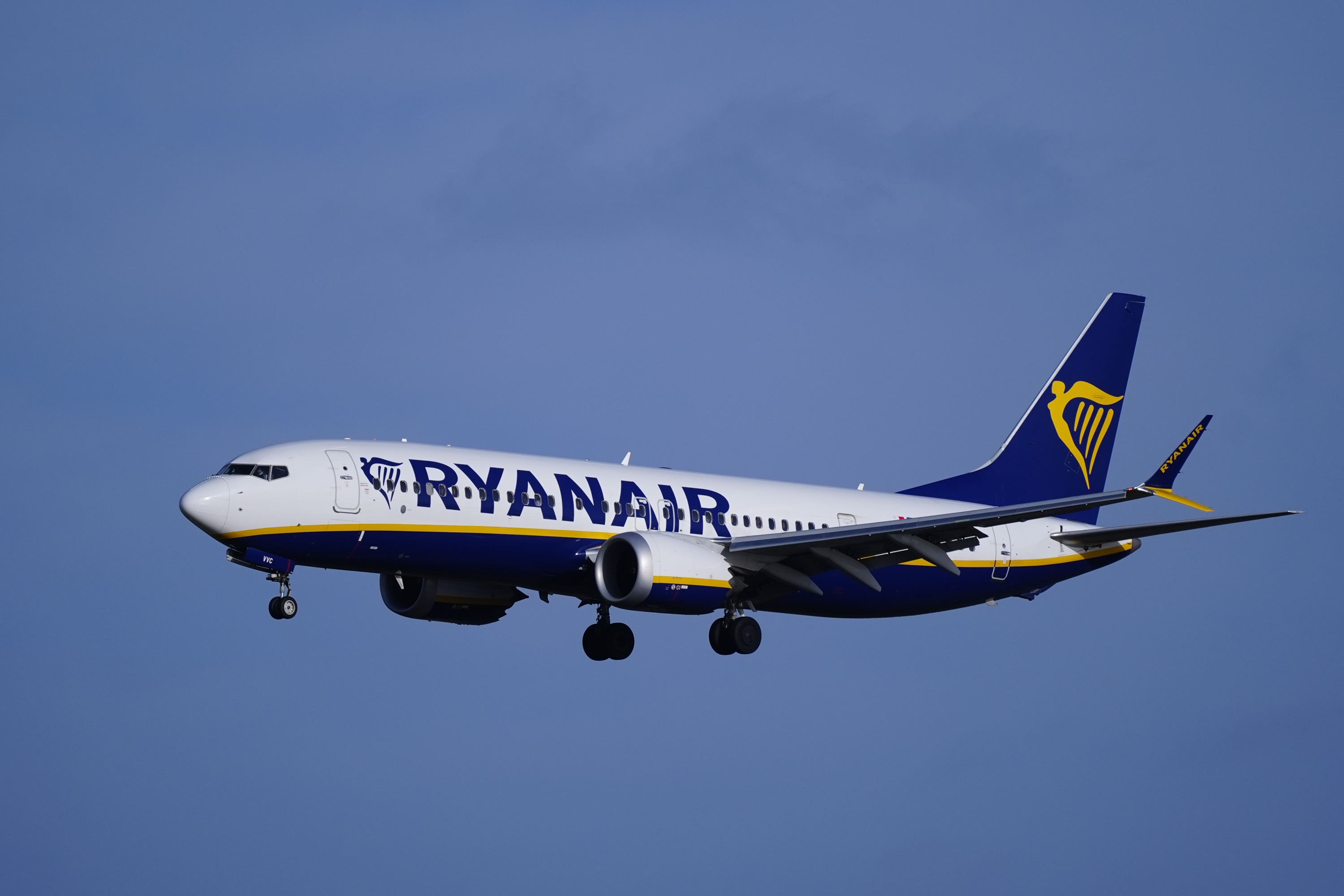
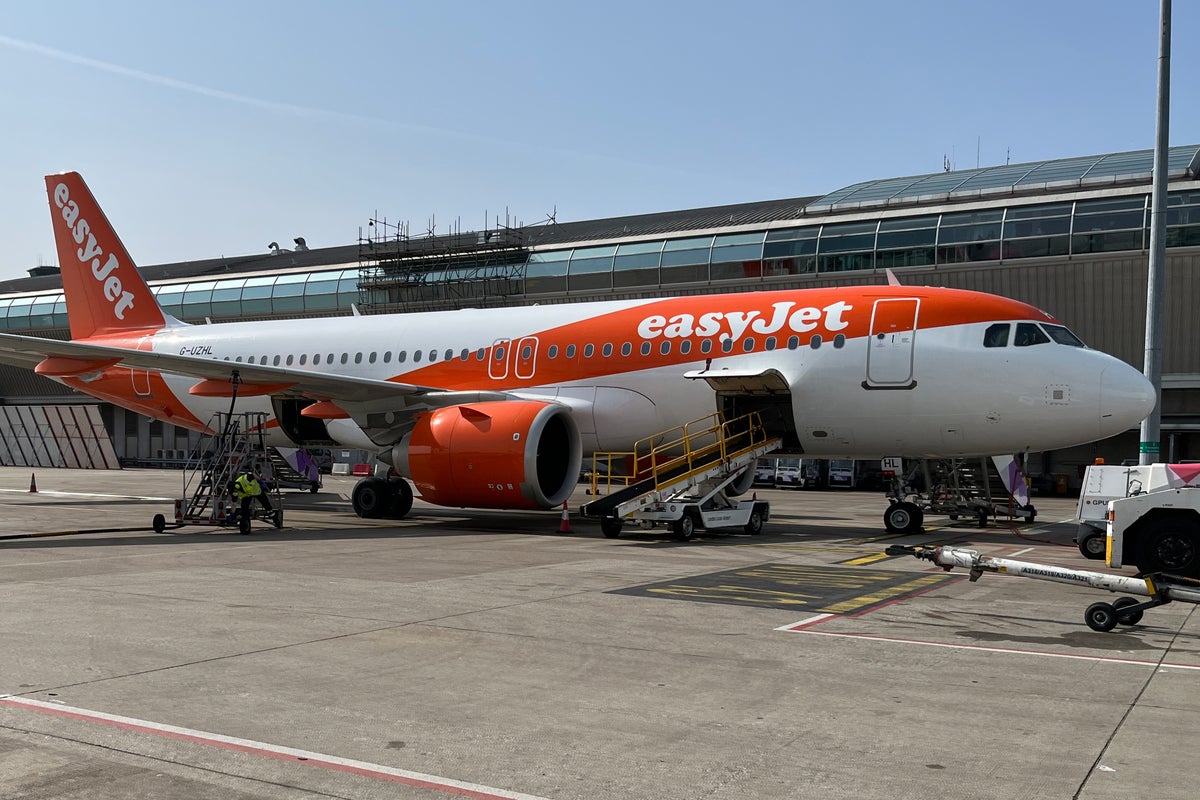
Several British airlines, including Ryanair and easyJet, have signalled that a rise in air fares is likely to occur at the end of summer.
Peter Forbes, the director of aviation consultancy Alan Stratford and Associates, said: “There's enough fuel in the UK for around two months. After that, there has been concern about what might happen.”
Many European airlines have already introduced higher costs for travellers. Scandinavian airline SAS cancelled more than 1,000 flights this month and confirmed it was temporarily increasing prices due to rising jet fuel costs.
A spokesperson for Ryanair said: “We don’t expect any near-term fuel shortages, but the situation is fluid. At present our fuel suppliers can guarantee supply to mid-end May. If the Iran war finishes soon, then supply will not be disrupted. If the closure of the Hormuz Straits continues into May or June, then we cannot rule out risks to fuel supplies at some airports in Europe.
“With jet oil prices doubling during March, we expect all airlines will pass on these higher costs in the form of higher air fares post Easter and later this summer.”
What flights could be affected?
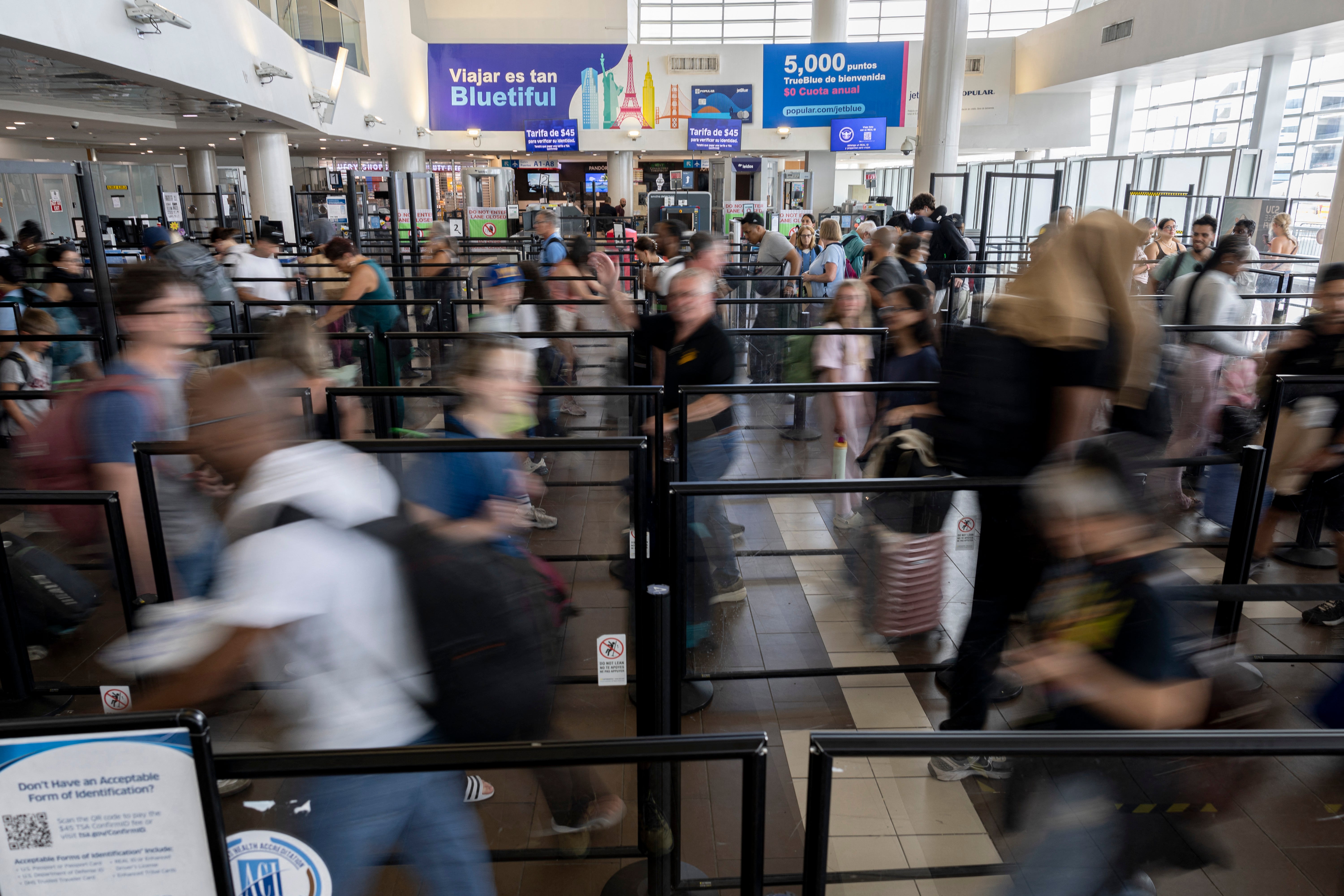
Longer-haul flights could be more susceptible to air fare hikes, with carriers like Air France-KLM raising ticket prices on their longer journeys.
Air New Zealand has lifted fares on long-haul trips by $90NZD (£40), while Australian airline Qantas has announced it is increasing the price of international flights.
Mr Forbes said there was a possibility that the European Union’s tankering rules could also affect the air fares of flights departing EU countries.
Due to regulations that came into force last year, airlines have been banned from tankering, where airlines load extra fuel at an airport where prices are lower. British and other non-EU airlines only have to abide by the provisions when departing EU airports.
If regulations aren’t lifted, Mr Forbes said there is a possibility that air fares for flights leaving EU countries could become more expensive.
What should travellers do?
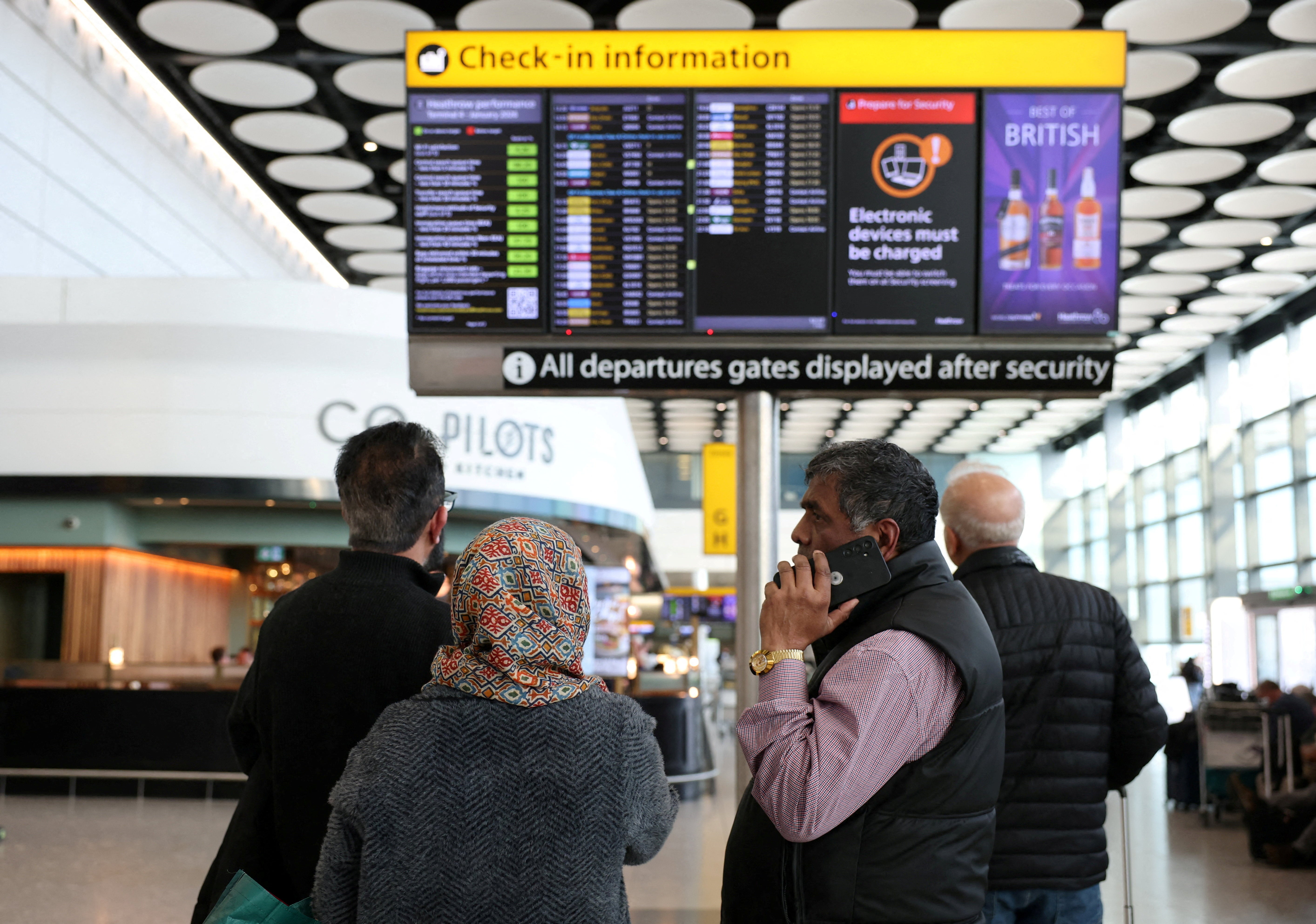
Travel experts are urging customers to keep informed about the conflict in the Middle East and stay up to date with any communications about travel bookings.
Travellers have also been advised to buy insurance for any flight they have and make sure they understand what they are covered for.
Airlines have warned that cancellations are possible, with Ryanair chief executive Michael O’Leary saying this week that the airline was considering cutting 10 per cent of flights.
They have urged customers to book their trips immediately to avoid rising air fares.
A Ryanair spokesperson said: “We urge all passengers to book their flights (and holidays) as soon as possible and then they will be insulated from inevitable air fare and accommodation cost increases after Easter and later this summer.”
Kenton Jarvis, the chief executive of EasyJet, said: “The reality is, as you look further forward, and the hedges start reducing in size, I think the message would be book as early as possible, because that will start feeding in at some stage.”


















.jpg&h=630&w=1200&q=100&v=1a56ad72fe&c=1)