Will a controversial new airport ruin Machu Picchu?
Plans to build a runway at Chinchero have been seen as contentious – but some say development is vital to the Sacred Valley. Destination expert Chris Moss investigates
 Fransebas
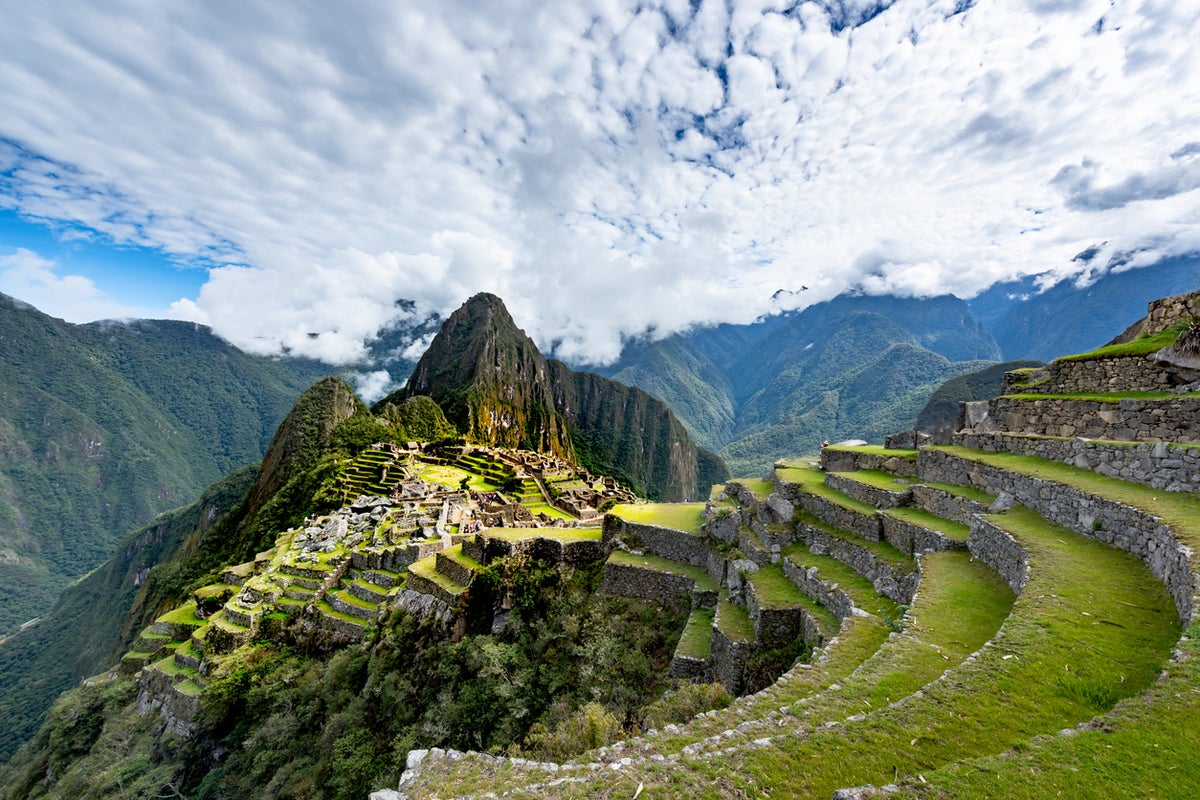
Arriving at Macchu Picchu – high up in a saddle of the Peruvian Andes, close to Inti the sungod – by the most arduous route possible has long been a badge of pride.
Most modern visitors fly via Lima to Cuzco, then catch a train, then take a bus-ride up a zigzagging mountain road to the Unesco World Heritage site. Others catch public transport across Peru and, to stretch out the pilgrimage even further, join a guided hike to Machu Picchu, which can take anything from three days to a week.
Despite the popularity of this beautiful region, dubbed the Sacred Valley, there is no good road from the main city, Cuzco, to Machu Picchu. This has long been seen as a positive; a visit is earned and the long, slow arrival allows people to prepare for the once-in-a-lifetime experience of entering an Inca citadel.
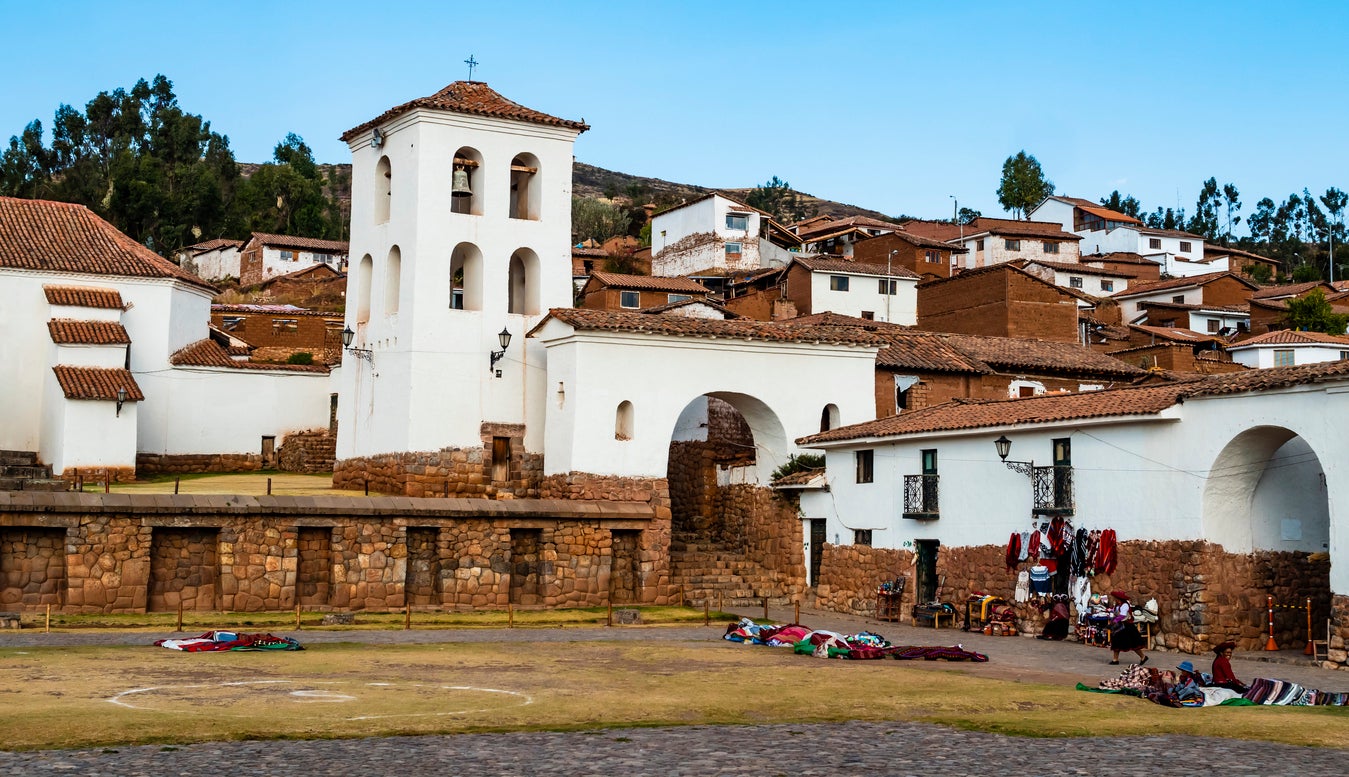
A new international airport at Chinchero – 20 miles north of Cuzco – is due to open in late 2027. It was controversial before it got off the drawing board but as construction proceeds apace, locals and tour firms are expressing grave concerns. Detractors say the huge development will negatively impact traditional communities, including Chinchero’s weavers, while bringing in more visitors than ever – putting a strain on water and sewerage, roads and energy, and on the historic sites scattered across the Sacred Valley; besides Machu Picchu, these include the Maras salt mines, Moray terraces and the major archaeological ruins at Pisac and Ollantaytambo.
Supporters maintain tourism in the region is still down 30 per cent on pre-Covid levels and that there’s space for more visitors. Cheaper flights, shorter flight times and no layover in Lima will tempt more mainstream travellers (rather than budget-conscious backpackers) and make it easier and quicker to get to Machu Picchu. A speedy bus ride from the new airport and a short train ride mean the time-poor (many US tourists, for instance) will be able to pay a visit to Peru for the first time.
But are speed and ease desirable? Oliver Cripps, of Cuzco-based destination management firm Amazonas Explorer, says: “The fear is it will encourage shorter, more bucket-list style holidays, because travellers could just get a bus down to Ollantaytambo and a train to Machu Picchu the following day. This will leave less money in the community and for businesses that depend on tourism revenue.”
Siphoning greater numbers to a world-famous honeypot also contradicts the Peruvian government’s stated mission of spreading tourism to less well-known sites, such as Choquequirao – reached by a tough hike – and Kuelap, in the remote northern Amazonas region.
“Machu Picchu is still the main place people want to visit,” says Cripps. “Unfortunately, I don’t think this is going to change. Places like Kuelap, Waqrapukara, the Nazca Lines and Choquequirao should get way more visitors than they currently do. Most people still want to go to Machu Picchu because getting the perfect Instagram photo is now essential.”
Gary Tombs, the product manager for Peru at UK-based travel company Journey Latin America, says that while the impact of a major new airport can’t be ignored, nor can the limitations of the current infrastructure
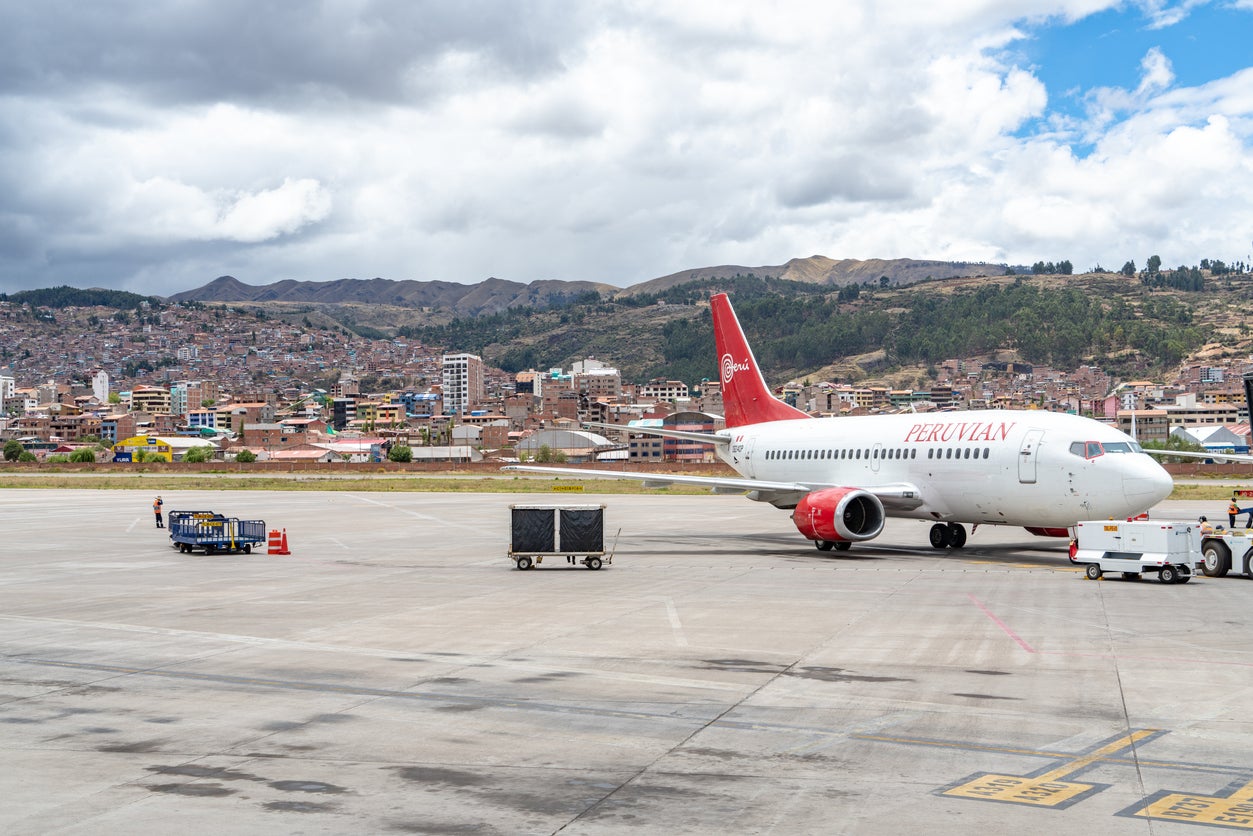
“Cuzco’s airport sits inside the city itself, completely hemmed in by dense neighbourhoods and surrounding mountains. It operates at near maximum capacity, it cannot be expanded, its operating hours cannot be extended and its facilities cannot be adapted to receive larger aircraft.
Read more: Inside the Cartagena boutique hotel starring in The Night Manager
“Its location also contributes to heavy traffic within Cusco and on the routes to and from the Sacred Valley. These constraints are the main reasons the Peruvian government intends for Chinchero to eventually replace it.”
He warns against over-romanticising the status quo: “The pace of development in the Sacred Valley over the past 20 years has already been dramatic. What were once small, distinct communities scattered along the valley floor have grown into a near continuous stretch of shops, restaurants and houses. It's becoming harder to see where one town ends and the next begins.
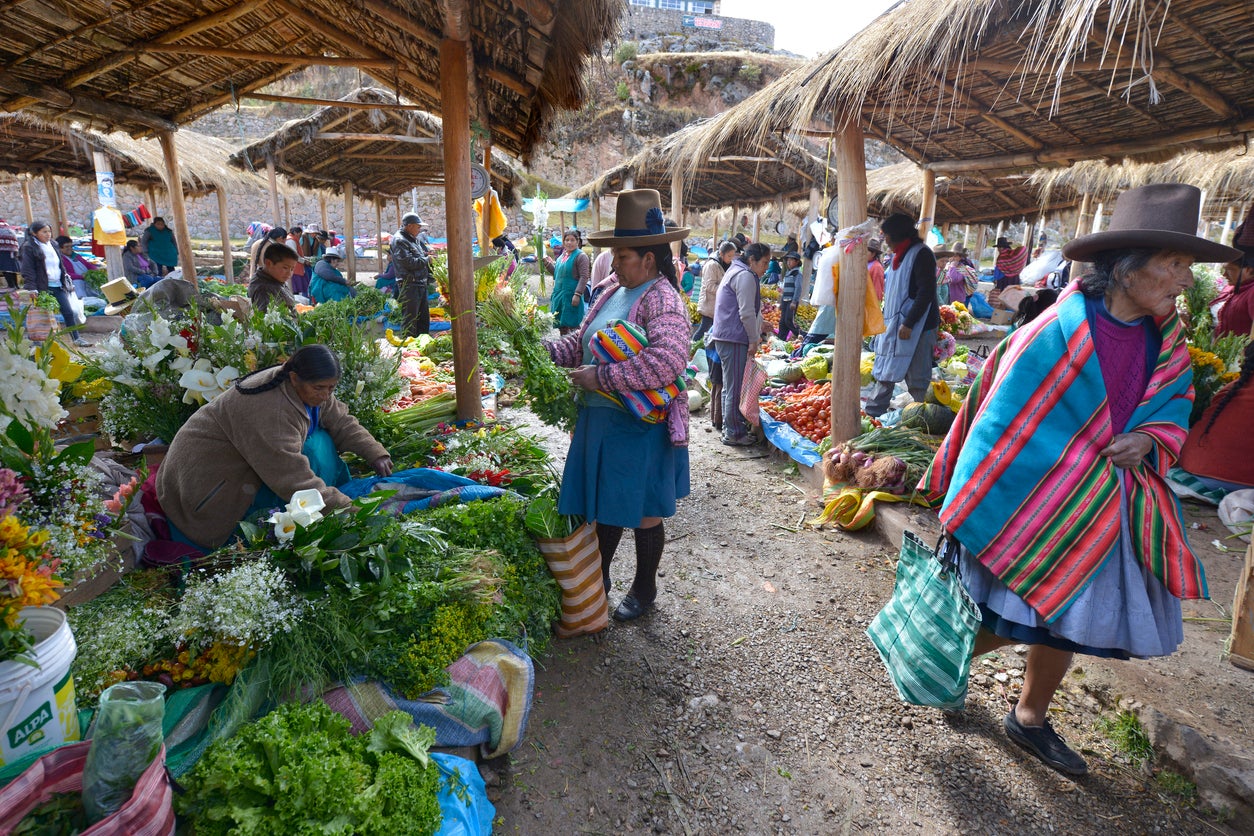
“Chinchero itself illustrates how quickly change can happen. Two decades ago, its market was a genuinely local affair – villagers proudly displaying their produce in the main square on market days. Today, the market is largely geared toward tourists, a reminder of how traditional spaces can be reshaped when visitor numbers rise.”
But, he concedes: “The opening of an international airport will almost certainly accelerate this trend.”
Read more: This Brazilian wildlife hotspot is cheaper than an African safari
If projections of visitor numbers rising by as much as 200 per cent are correct, the consequences for the region could be significant. Machu Picchu already operates under strict limits, allowing 5,600 visitors per day. Without major changes to policy and layout, the site cannot accommodate a substantial increase in footfall.
It’s probably too late to stop the airport, which has already absorbed almost £500 million of capital investment. The solution, say some local experts, is to tie sustainable tourism to wider, regional development. Peru’s Ancash department has managed to modernise its airport and steadily grow visitors to its national park.
“We need to think about tourism development as an interconnected system,” says Martin Romero of trekking company Explorandes.
“We need to expand the number of attractions, towns and human resources prepared to receive tourists in order to spread the benefits over a wider area.
”Just building the Chinchero airport without considering all these other moving parts will only transfer the bottlenecks to the next weakest link in this system.”