Ahrefs MCP for SEO: 15 Practical Workflows for AI-Assisted Analysis
Learn how Ahrefs MCP connects AI assistants to Ahrefs data for competitor research, content gaps, keyword analysis, backlinks, dashboards, content refreshes, and SEO briefs.
 Netzender Editorial Team
Ahrefs MCP lets an AI assistant work with Ahrefs data through natural-language requests. Instead of manually exporting every SEO report, an analyst can connect a supported MCP client and ask the assistant to retrieve and organize Ahrefs data.
The workflow becomes faster, but the analyst still needs to understand the metric, date range, country database, limits, and business context.
What Is Ahrefs MCP?
Model Context Protocol is a standard for connecting AI clients with external tools and data sources.
Ahrefs provides an official hosted MCP server for eligible users.
1. Competitor Organic Analysis
Compare several competing domains using:
- organic traffic estimates;
- top pages;
- ranking keywords;
- traffic growth;
- traffic decline.
2. Find Content Gaps
Ask which important topics generate visibility for competitors but are missing or weak on your domain.
3. Analyze Competitor Top Pages
Group pages by:
- topic;
- intent;
- content type;
- estimated traffic;
- business relevance.
4. Find Declining Content
Use historical data to identify pages losing meaningful visibility.
Group losses by site section, topic, page type, and severity.
5. Prioritize Keyword Opportunities
Instead of requesting thousands of keywords, define useful constraints such as non-branded topics, realistic ranking opportunities, and commercial relevance.
6. Build Search-Intent Groups
Classify keyword groups into:
- informational;
- commercial investigation;
- transactional;
- navigational.
7. Analyze Backlink Gaps
Find domains linking to multiple competitors but not to your site.
Then classify prospects into publications, directories, partners, resource pages, or industry organizations.
8. Research Link Prospects
Before outreach, review a site's authority, relevant content, top pages, and linking patterns.
9. Build an SEO Dashboard
A recurring summary can cover:
- organic traffic trend;
- largest gains;
- largest losses;
- new backlinks;
- lost backlinks;
- competitor movement.
10. Combine Ahrefs With Other Data
MCP-compatible AI clients can potentially combine Ahrefs information with other connected sources.
Keep the origin of each metric explicit so fundamentally different datasets are not mixed carelessly.
11. Create a Content Refresh Queue
Use traffic decline, ranking losses, backlinks, and business relevance to prioritize pages for editorial review.
12. Build an Executive SEO Brief
Convert technical SEO data into:
- what changed;
- why it matters;
- largest risks;
- largest opportunities;
- recommended actions.
13. Use MCP for Investigation, Not Blind Automation
Natural-language access makes data easier to request, but it can also hide important methodology.
Always verify:
- metric definition;
- country;
- date range;
- filters;
- row limits;
- whether a figure is estimated.
14. Monitor API Usage
MCP queries consume Ahrefs API allowance. Repeatedly retrieving unnecessarily large datasets wastes units.
Start with narrow requests and expand only when necessary.
15. Use the Correct Interface
The hosted MCP server is designed for MCP-compatible AI clients. Traditional software integrations should use the official Ahrefs API.
Example Workflow
- Select three competitors.
- Retrieve top organic pages.
- Group them by topic.
- Compare those groups with your site.
- Identify commercially relevant gaps.
- Retrieve keyword evidence.
- Prioritize ten opportunities.
- Review the shortlist manually.
Where MCP Fits in AI Search Strategy
Ahrefs MCP helps with analysis. It does not directly make a page rank or earn citations.
Use it to improve research and prioritization, then apply the findings to useful, technically accessible content.
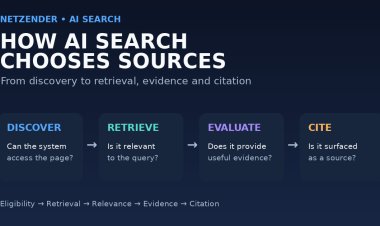
See How AI Search Engines Choose Sources and AEO Tools Compared.
Ahrefs MCP Checklist
- Use an officially supported client.
- Connect the correct account.
- Understand plan limits.
- Monitor API units.
- Start with narrow requests.
- Define country and date range.
- Verify important metrics.
- Separate estimates from analytics.
- Use the API for software integrations.
- Keep human review before action.
16. Create a Competitor Change Report
One useful recurring MCP workflow is to compare competitor performance with the previous reporting period.
Ask the assistant to highlight:
- newly successful pages;
- largest traffic gains;
- largest declines;
- new keyword clusters;
- important backlink changes.
Then review only the meaningful movements instead of manually comparing large exports line by line.
17. Validate Content Ideas Before Writing
Before committing editorial resources to a topic, use Ahrefs data to test whether relevant search demand, competitor evidence, and realistic opportunities exist.
An AI-assisted workflow can summarize the data, but the editorial team should still decide whether the topic fits the site's audience and business strategy.
18. Create a Link-Reclamation Queue
Use Ahrefs data to identify lost backlinks, broken destination pages, or important URLs that have moved.
The assistant can organize opportunities by:
- authority;
- relevance;
- destination page;
- reason the link may have been lost;
- recommended recovery action.
19. Build a Portfolio-Level SEO View
Agencies and companies operating several websites can use an MCP client to summarize comparable Ahrefs metrics across multiple properties.
Keep metrics normalized and clearly labeled so sites of very different sizes are not compared without context.
20. Add Guardrails to Reusable MCP Prompts
For recurring workflows, store instructions that tell the assistant to:
- state the country database;
- state the date range;
- distinguish estimates from measured analytics;
- show the underlying metric used;
- avoid inventing missing data;
- flag incomplete results;
- keep recommendations separate from retrieved facts.
These guardrails make recurring analysis more reliable and easier to review.
21. Preserve the Evidence Behind Recommendations
An executive summary may contain only five recommendations, but the team should preserve the Ahrefs data that produced those recommendations.
This allows another analyst to review the reasoning, reproduce the analysis, and determine whether the recommendation remains valid when the underlying data changes.
Final Takeaway
Ahrefs MCP is most valuable when it removes repetitive data handling without removing analytical judgment.
Use it to ask better questions of Ahrefs data, accelerate competitive analysis, organize opportunities, and create repeatable SEO reporting workflows.